Introduction
Seasonal influenza, commonly known as the flu, is a contagious respiratory illness caused by influenza viruses. It affects millions of people worldwide every year, particularly during the colder months. In the United States, flu activity is increasing in many regions during the 2026–2027 flu season, making awareness, prevention and early treatment especially important.
According to the latest available CDC surveillance report, published November 13, 2026, influenza activity continues to rise across many parts of the country. The report also highlights increasing flu-related medical visits and hospitalizations. Although flu symptoms can sometimes resemble those of the common cold or COVID-19, influenza can cause more sudden and intense illness.
Common symptoms include fever, cough, sore throat, body aches, headaches, chills, a runny or stuffy nose and extreme tiredness. While many people recover within a week, some individuals, especially young children, older adults, pregnant women and people with underlying medical conditions, may experience serious complications.
Understanding how influenza spreads, recognizing its symptoms and taking appropriate preventive measures can help protect individuals, families and communities. This article explores six important aspects of seasonal influenza, including its causes, symptoms, risk factors, complications, treatment and prevention.
1. What Is Seasonal Influenza and How Does It Spread?
Seasonal influenza is an infectious respiratory disease caused by influenza viruses that circulate regularly among people. The illness primarily affects the nose, throat and lungs. Unlike an ordinary cold, influenza can develop suddenly and may cause significant discomfort, weakness and fever.
Influenza viruses spread mainly through respiratory droplets and smaller particles released when an infected person coughs, sneezes or talks. People nearby may breathe in these infectious particles and become infected. Transmission can also happen when someone touches a contaminated surface and subsequently touches their mouth, nose or eyes, although respiratory exposure is an important route of transmission.
Flu spreads particularly easily in crowded environments such as schools, workplaces, public transportation, shopping centers and healthcare facilities. People can sometimes transmit the virus before they realize they are sick. They are generally most contagious during the first three days of illness, although some individuals, including young children and people with weakened immune systems, may remain contagious longer.
Influenza viruses constantly change, which is one reason people can develop influenza more than once during their lifetime. The main types responsible for seasonal human influenza are influenza A and influenza B. Both can cause seasonal outbreaks, while influenza A viruses are also responsible for major influenza pandemics.
During the 2026–2027 season, U.S. surveillance has identified influenza A(H1N1)pdm09 as the most frequently reported influenza virus. Understanding these transmission patterns helps public health authorities monitor outbreaks and develop appropriate prevention strategies.

2. Common Symptoms and Early Warning Signs of Influenza
Recognizing influenza symptoms early is important because the illness can progress quickly, particularly among vulnerable individuals. Flu symptoms often begin suddenly, sometimes making a person feel relatively healthy one day and extremely unwell the next.
Fever is one of the most recognized symptoms, although not everyone with influenza develops a fever. Many patients experience chills, sweating, headaches, muscle pain and body aches that can affect their ability to perform everyday activities. A persistent or dry cough, sore throat and nasal congestion are also common.
Extreme fatigue is another characteristic symptom. Some individuals experience such severe tiredness that they struggle to get out of bed or complete normal household responsibilities. Children may also develop vomiting or diarrhea, which are less common in adults.
Other symptoms can include:
Fever or feeling feverish
Chills and sweating
Dry or persistent cough
Sore or irritated throat
Muscle and body aches
Headaches
Runny or stuffy nose
Severe tiredness and weakness
Occasionally, vomiting and diarrhea, particularly in children
Most people with uncomplicated influenza begin recovering within three to seven days. However, coughing and fatigue can continue for more than two weeks in some individuals.
It is important to remember that symptoms alone cannot reliably distinguish influenza from COVID-19 or other respiratory infections. A healthcare professional may recommend testing to identify the cause of illness.

3. Who Is at Higher Risk of Developing Serious Flu Complications?
Although influenza can affect people of every age, certain groups are more likely to experience serious illness and require medical attention. Understanding these risk factors helps families take additional precautions during flu season.
Adults aged 65 and older are particularly vulnerable because the immune system naturally becomes less effective with age. Older individuals may develop complications such as pneumonia, dehydration or worsening of existing health conditions.
Young children, especially those under five years old, also have an increased risk of flu-related complications. Their developing immune systems may make it harder to fight infections, and some children can become seriously ill even when their initial symptoms appear relatively mild.
Pregnant women are another important high-risk group. Pregnancy changes the immune system and places additional demands on the heart and lungs, potentially increasing the risk of severe influenza. Pregnant individuals should discuss flu prevention and vaccination with their healthcare providers.
People living with chronic medical conditions may also face increased risks. These include individuals with asthma, diabetes, heart disease, chronic lung disease, kidney disorders or weakened immune systems. Influenza can worsen existing conditions and sometimes lead to hospitalization.
Healthcare workers and caregivers should also take precautions because they may have frequent contact with infected individuals. Protecting high-risk populations through vaccination, good hygiene and early medical attention can help reduce the overall impact of seasonal influenza.

4. Possible Complications: When Can Influenza Become Dangerous?
For most healthy individuals, seasonal influenza is a temporary illness that improves with appropriate rest and supportive care. However, influenza should not always be considered a minor infection because it can sometimes lead to serious and potentially life-threatening complications.
Pneumonia is one of the most important complications associated with influenza. It can develop directly from the influenza virus or occur when a secondary bacterial infection affects the lungs. Symptoms may include difficulty breathing, chest discomfort, persistent fever and worsening cough.
Influenza can also worsen existing medical conditions. People with asthma may experience more frequent breathing difficulties, while individuals with heart disease may face additional cardiovascular stress. Diabetes and other chronic conditions can also become harder to manage during an infection.
Dehydration is another concern, especially among young children, older adults and people experiencing fever, vomiting or diarrhea. Reduced fluid intake and excessive fluid loss can contribute to weakness, dizziness and other complications.
In more serious cases, influenza can contribute to respiratory failure, inflammation of the heart or other organs, sepsis and hospitalization
.Emergency warning signs should never be ignored. Adults should seek emergency medical care for symptoms such as difficulty breathing, persistent chest or abdominal pain, confusion, seizures, severe weakness, inability to urinate or symptoms that improve but return with worsening fever or cough.
In children, warning signs include fast or difficult breathing, bluish lips or face, dehydration, unusual drowsiness, seizures and fever above 104°F that is not controlled. Any fever in an infant younger than 12 weeks requires immediate medical evaluation.
Recognizing these warning signs and seeking timely medical assistance can make an important difference.

5. Influenza Treatment, Recovery and Medical Care
Treatment for seasonal influenza depends on the patient's age, overall health, symptom severity and risk of complications. Most people with mild flu recover at home without requiring hospitalization. However, individuals experiencing severe symptoms or belonging to high-risk groups should contact a healthcare professional promptly.
Rest is an important part of recovery because the body needs time and energy to fight the infection. Patients should drink sufficient fluids, including water, soups and other appropriate beverages, to help prevent dehydration.
Over-the-counter medicines may help relieve fever, headaches and body aches when used according to medical advice and product instructions. However, these medicines do not eliminate the influenza virus itself.
Healthcare professionals may prescribe antiviral medications, such as oseltamivir or other approved influenza treatments, when appropriate. These prescription medicines work differently from antibiotics and can help reduce the duration or severity of influenza.
Antiviral treatment generally works best when started within 48 hours after symptoms begin. Nevertheless, treatment may still provide benefits later, particularly for hospitalized patients, people with severe illness and individuals at higher risk of complications.
Antibiotics do not treat influenza because the illness is caused by a virus rather than bacteria. They may only be necessary if a healthcare professional identifies a secondary bacterial infection.
People who become sick should stay home and avoid close contact with others. According to CDC guidance, individuals can generally return to normal activities when their symptoms have improved overall and they have been fever-free for at least 24 hours without using fever-reducing medication. Additional precautions, such as wearing a mask and improving indoor ventilation, can help reduce the risk of spreading respiratory infections.

6. Effective Prevention: How to Protect Yourself and Your Family
Preventing influenza is one of the most effective ways to reduce illness, protect vulnerable individuals and limit the spread of infection during flu season.
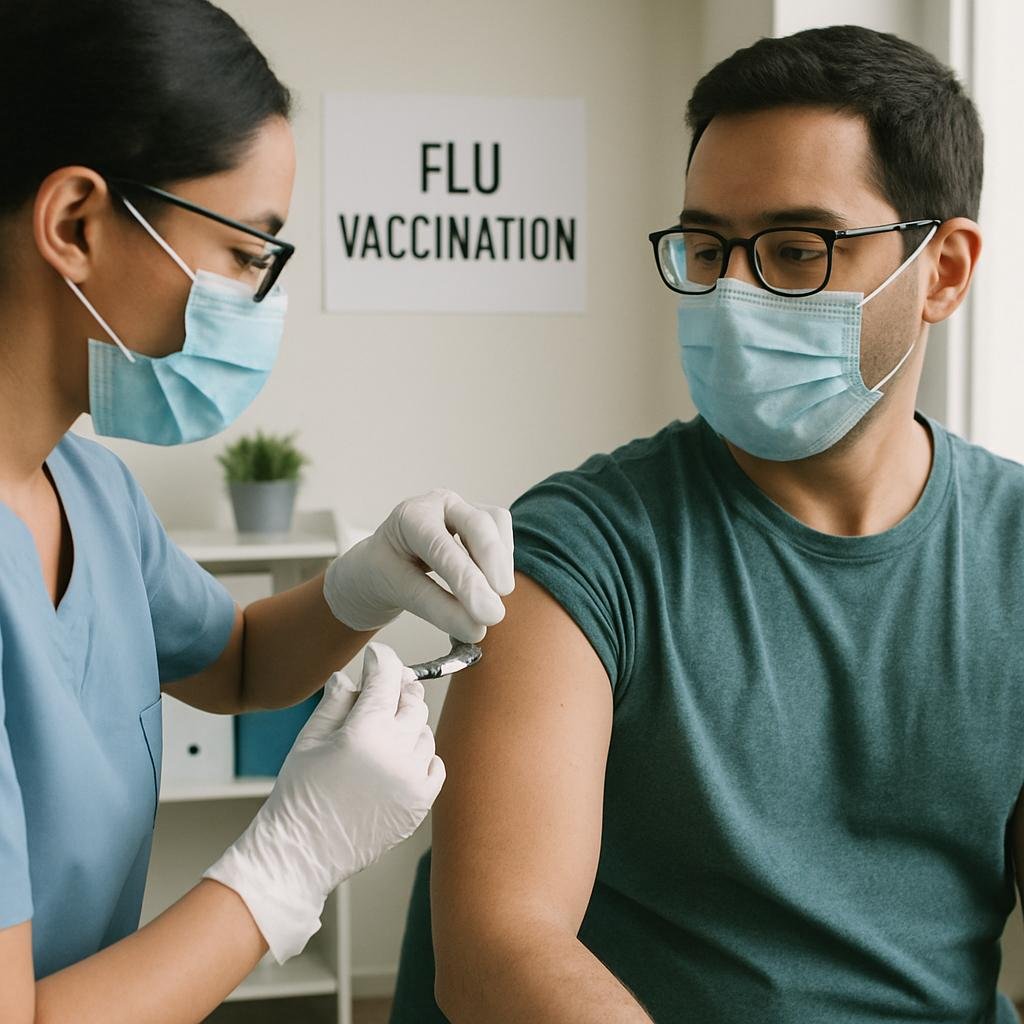
Annual flu vaccination is the most important preventive measure recommended by the CDC for most people aged six months and older. The influenza vaccine is updated regularly to target viruses expected to circulate during the upcoming season. Vaccination can reduce the likelihood of getting influenza and lower the risk of serious complications, hospitalization and death.
For the 2026–2027 U.S. flu season, updated seasonal influenza vaccines are available. People who have not received their recommended seasonal vaccination should discuss getting vaccinated with a healthcare professional.
Good personal hygiene is another essential prevention strategy. Washing hands frequently with soap and water helps remove germs that may be transferred through everyday contact. When soap and water are unavailable, an alcohol-based hand sanitizer can be useful.
People should cover their mouth and nose with a tissue when coughing or sneezing and dispose of used tissues immediately. Avoiding close contact with sick individuals can also reduce exposure.
Improving indoor air quality is particularly important in crowded environments. Opening windows when practical, using suitable air filtration and avoiding poorly ventilated spaces can help reduce exposure to infectious respiratory particles.
Frequently touched surfaces, including door handles, phones, desks and kitchen counters, should be cleaned regularly. Wearing a well-fitting mask in crowded indoor environments or around vulnerable individuals can provide an additional layer of protection.
Families should also encourage sick members to remain at home until they meet recommended return-to-activity criteria. Combining vaccination, good hygiene, cleaner air and responsible illness management offers a practical approach to reducing influenza transmission.
Conclusion
Seasonal influenza remains an important public health concern, particularly as flu activity increases across the United States during the 2026–2027 season. Although many people recover without serious problems, influenza can cause significant illness and complications among young children, older adults, pregnant women and people with chronic medical conditions.
Understanding the symptoms, recognizing early warning signs and seeking appropriate medical care can help prevent more serious outcomes. Annual vaccination, frequent handwashing, respiratory hygiene, cleaner indoor air and staying home when sick are practical steps that everyone can take to protect themselves and their communities.
Staying informed and taking preventive action throughout flu season can make a meaningful difference. If you or someone in your family develops flu symptoms, particularly if they belong to a high-risk group, contact a qualified healthcare professional for guidance.
Medical Disclaimer: This article is intended for general educational and informational purposes only. It does not replace professional medical advice, diagnosis or treatment. Always consult a qualified healthcare provider regarding medical concerns, medications, vaccinations or severe symptoms.