1. Rising Measles Cases in Pennsylvania and Wisconsin

The growing number of measles infections in Pennsylvania has become one of the most concerning developments in the 2026 outbreak. On November 16, the Pennsylvania Department of Health reported 1,561 cases, marking a significant increase compared with previous updates. Reuters reported that 61 additional infections had been recorded over the preceding seven days, while hospitalizations increased from 305 to 310. The state was also dealing with seven measles-associated deaths during the year, according to the Reuters report.
Wisconsin has faced its own serious challenges, with health officials reporting a pediatric death associated with measles. This was the second measles-associated death linked to the state's outbreak. Although authorities have not released further details about the affected family, the development has increased concern about the disease's impact on children and vulnerable communities.
These outbreaks demonstrate how quickly measles can spread when vaccination coverage is insufficient. Public health officials must identify infected individuals, investigate possible exposure locations, monitor contacts, and provide reliable information to communities. Schools, childcare centers, and healthcare facilities may need additional precautions to reduce transmission. Families should also remain informed about local health department announcements and vaccination recommendations.
2. Early Warning Symptoms: High Fever, Cough and Red Eyes
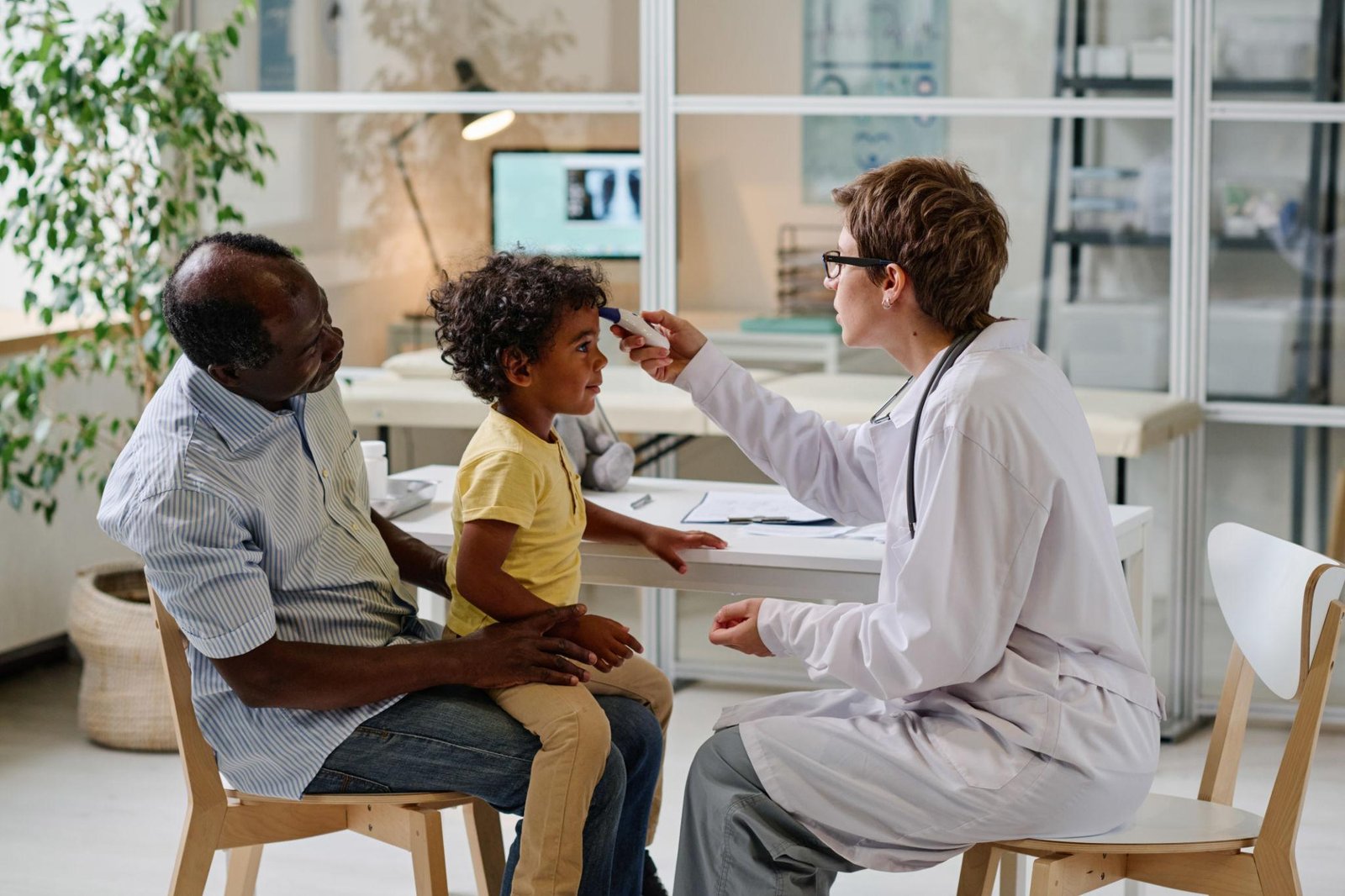
Recognizing the early symptoms of measles is essential because infected individuals can spread the virus before the characteristic skin rash becomes visible. The illness usually begins approximately 7–14 days after exposure, although symptoms may take longer to appear. High fever is one of the most recognizable early warning signs and can sometimes rise above 104°F. Patients may also experience a persistent cough, runny nose, tiredness, and red or watery eyes.
These early symptoms can sometimes resemble other respiratory infections, making it difficult for families to identify measles without medical assessment. Some infected individuals may also develop small white spots inside the mouth, commonly known as Koplik spots. These spots can appear before the skin rash and are an important clinical sign that healthcare professionals may look for when evaluating a suspected infection.
Parents should pay particular attention when children develop a combination of high fever, coughing, red eyes, and a spreading rash, especially if they have recently been exposed to someone with measles. It is important not to assume that every fever or rash is measles, because several other illnesses can produce similar symptoms. Medical professionals can assess the patient's symptoms and arrange appropriate laboratory testing.
If measles is suspected, families should contact a healthcare provider before visiting a clinic or hospital. This allows medical staff to arrange an appropriate evaluation and reduce the possibility of exposing other patients.
3. Understanding How Measles Spreads Between People
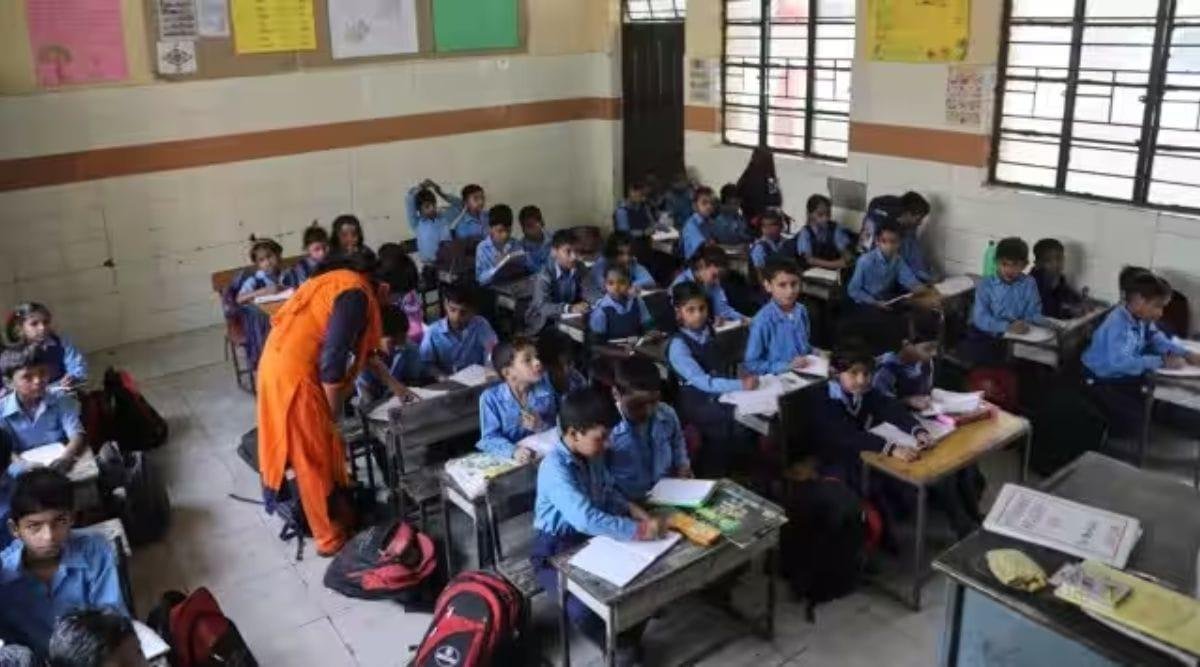
Measles is among the most contagious infectious diseases known to affect humans. It spreads mainly through airborne particles and respiratory droplets released when an infected person breathes, coughs, or sneezes. Unlike some infections that require prolonged physical contact, measles can spread simply when susceptible individuals share the same indoor environment with an infected person.
According to the Centers for Disease Control and Prevention, the virus can remain infectious in the air for up to two hours after an infected person has left a particular space. This characteristic makes crowded indoor environments especially important during an outbreak. Schools, classrooms, public transportation, waiting rooms, childcare facilities, and family gatherings can become potential exposure locations when an infected individual enters without knowing they have the disease.
Another concerning aspect of measles is that infected people can transmit the virus before their rash appears. Individuals are generally contagious from four days before the rash develops until four days afterward. Consequently, people may unknowingly expose others while experiencing what initially appears to be an ordinary respiratory illness.
The risk of infection is particularly high among people who have not developed immunity through vaccination or previous infection. The CDC explains that up to nine out of ten susceptible close contacts may become infected following exposure. This is why public health authorities emphasize vaccination records, exposure notifications, temporary isolation, and timely medical advice.
Communities can reduce transmission by ensuring eligible individuals are vaccinated, following public health guidance, and avoiding unnecessary contact when infection is suspected
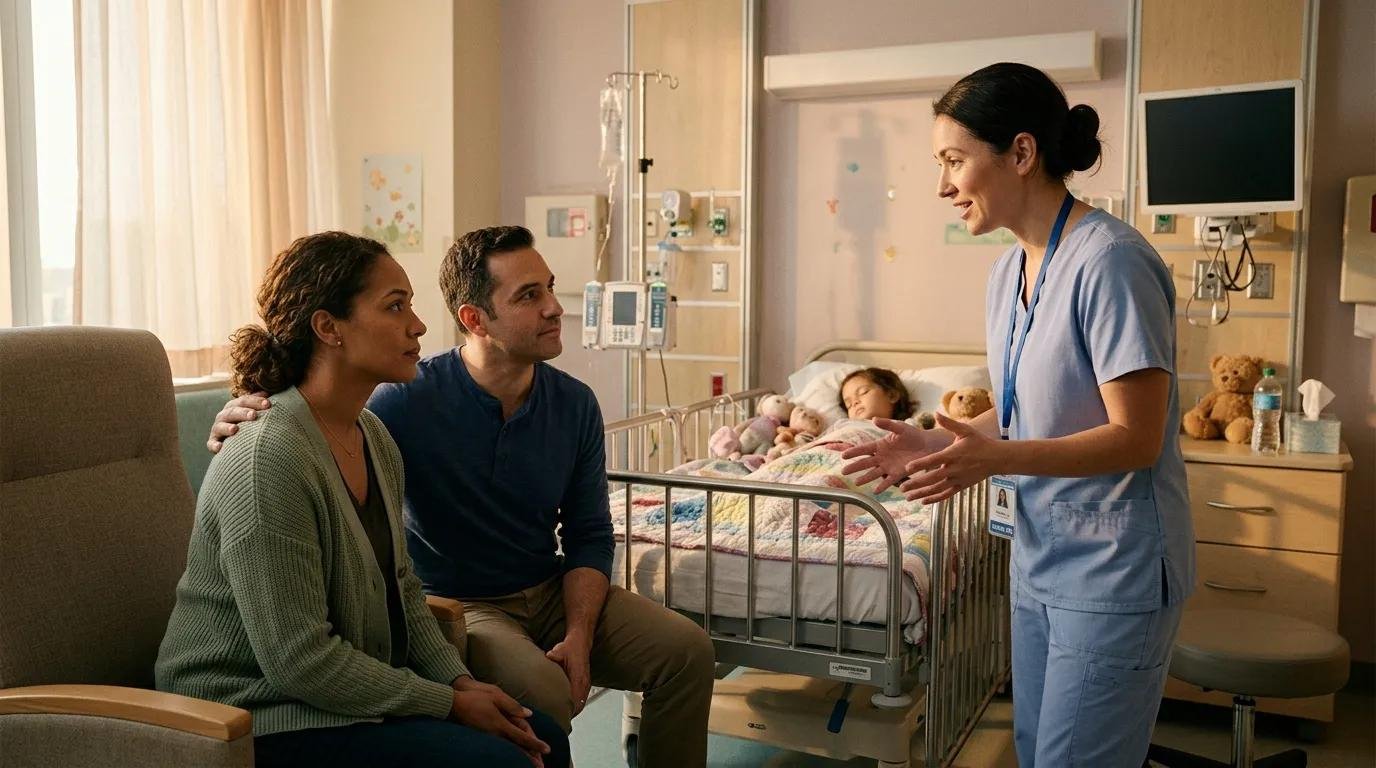
Although some people recover from measles without experiencing major complications, the disease can become extremely serious, particularly among vulnerable individuals. Young children under five years of age, adults over twenty, pregnant women, infants who are too young to receive routine vaccination, and people with weakened immune systems face increased risks of severe illness.
One of the most common complications is pneumonia, which can cause breathing difficulties and may require hospitalization. Ear infections and diarrhea can also occur, sometimes leading to additional medical problems. In more serious cases, measles can cause encephalitis, an inflammation of the brain that may result in seizures, permanent neurological damage, or even death.
Another important concern is that certain neurological complications can develop long after the initial infection. A rare condition called subacute sclerosing panencephalitis (SSPE) can appear years after a person has recovered from measles. It causes progressive damage to the brain and nervous system and is usually fatal.
The disease can also create additional risks during pregnancy. Infection during pregnancy may be associated with serious complications, including premature delivery and other adverse pregnancy outcomes. Infants exposed around birth may also require specialist medical assessment.
These complications explain why measles should never be dismissed as an ordinary childhood illness. Families should seek medical advice when symptoms develop and watch for emergency warning signs such as difficulty breathing, dehydration, confusion, severe weakness, or persistent high fever. Immediate medical attention is particularly important when a child becomes unusually sleepy, struggles to feed, or experiences breathing problems.
5. Vaccination and Prevention: The Most Effective Protection
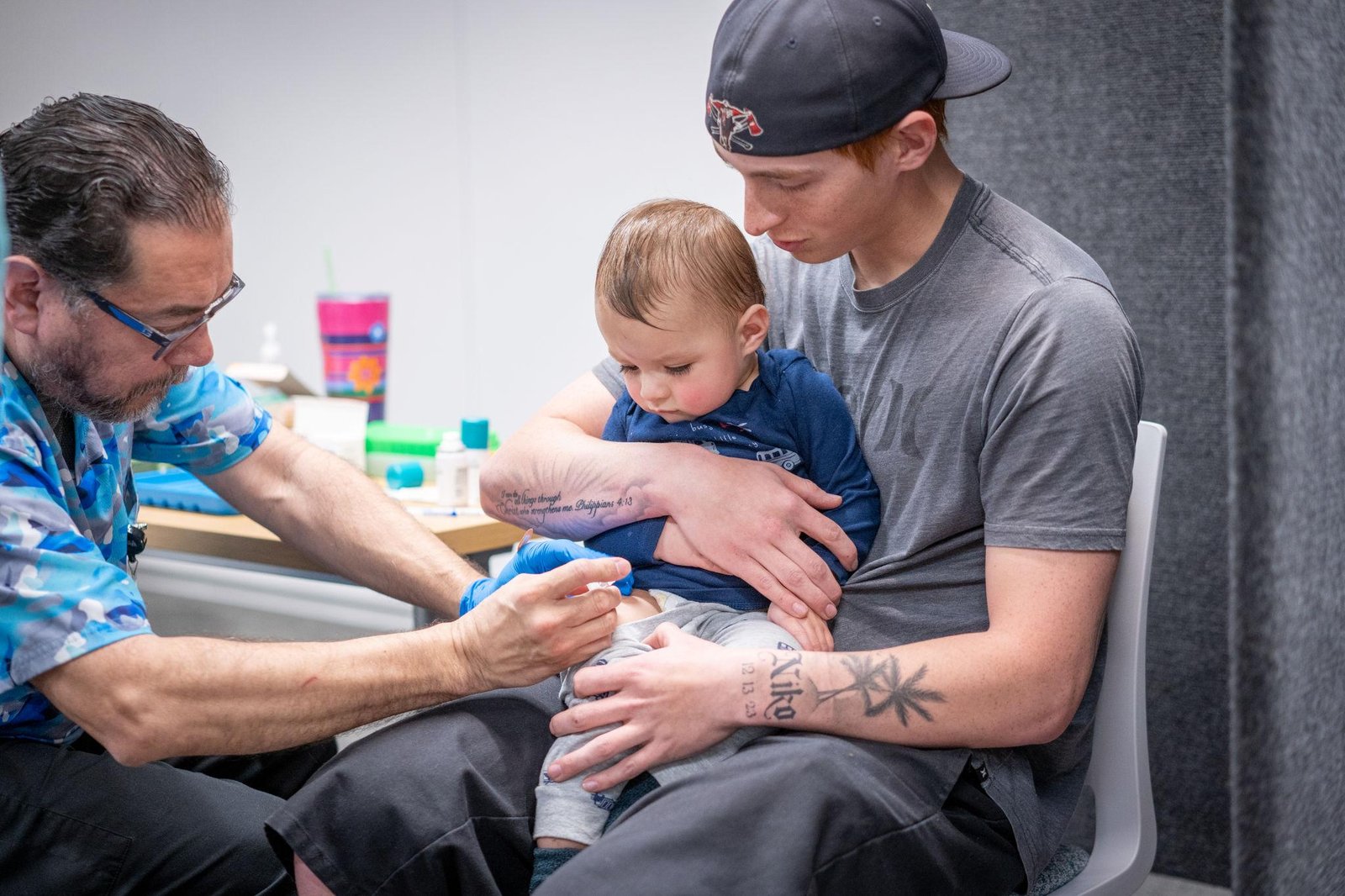
Vaccination remains the most effective way to prevent measles infections and reduce the possibility of large outbreaks. The measles, mumps, and rubella vaccine, commonly called the MMR vaccine, provides strong protection against measles. Health authorities recommend two doses for eligible individuals because completing the recommended vaccination schedule offers significantly greater protection than receiving only one dose.
According to the CDC, two doses of the MMR vaccine are approximately 97% effective against measles. Public health experts also emphasize that communities should aim for approximately 95% vaccination coverage to help prevent sustained transmission. This level of protection is particularly important for individuals who cannot receive certain vaccines for medical reasons, including some people with severe immune-system conditions.
During an outbreak, families should review their vaccination records and consult qualified healthcare professionals if they are unsure whether their children have received the recommended doses. People who may have been exposed to measles should contact a healthcare provider immediately. Depending on their vaccination history, health condition, and the timing of exposure, medical professionals may recommend post-exposure measures such as MMR vaccination or immune globulin.
Preventive measures also include avoiding close contact with suspected cases, following isolation recommendations, and keeping children with suspected infections away from schools and childcare facilities. Pregnant women, infants, and immunocompromised individuals should seek individualized medical advice because vaccination decisions can differ for these groups.
It is equally important to address misinformation about vaccines. Families should rely on qualified medical professionals and established public health organizations rather than unverified social media claims. Strong vaccination coverage protects not only individuals but also entire communities.
6. Public Awareness, Early Diagnosis and Community Responsibility

Controlling a major measles outbreak requires cooperation between healthcare professionals, government authorities, schools, parents, and local communities. Vaccination is essential, but early identification of suspected cases and responsible public behavior are also necessary to interrupt chains of transmission. Public health departments need accurate information about new infections, exposure locations, hospitalization trends, and vaccination coverage to identify communities that may require additional support.
Parents and school administrators have an important role in recognizing symptoms and following official health recommendations. If a child develops a high fever, cough, red eyes, and a suspicious rash, parents should seek medical guidance before sending the child to school or participating in group activities. Schools should communicate verified health information to families and follow instructions from local health authorities when a potential exposure is identified.
Healthcare facilities must also take precautions when evaluating suspected measles patients. Calling ahead before arriving at a hospital allows medical staff to organize appropriate infection-control arrangements and protect other patients and healthcare workers. People diagnosed with measles should follow isolation instructions and avoid exposing others during the infectious period.
Public awareness campaigns can help communities understand the importance of vaccination, identify early symptoms, and avoid spreading misinformation. Local health departments can also provide guidance about vaccination clinics, exposure notifications, and testing arrangements.
The 2026 outbreak is an important reminder that infectious diseases can return when community immunity becomes insufficient. The situation in Pennsylvania and Wisconsin demonstrates why consistent vaccination programs, effective disease surveillance, and public cooperation remain essential. Protecting vulnerable people requires collective responsibility, reliable medical information, and timely action from everyone.
Conclusion: Awareness and Prevention Are Essential
The 2026 measles outbreak highlights the continuing threat posed by highly contagious infectious diseases. Rising cases in Pennsylvania, serious developments in Wisconsin, and concerns about declining vaccination coverage demonstrate the importance of stronger public health protection.
Measles can cause high fever, coughing, red eyes, and a characteristic skin rash, but its potential complications extend far beyond these initial symptoms. Pneumonia, neurological complications, hospitalization, and death are serious possibilities, especially among vulnerable populations.
Vaccination, early diagnosis, isolation when necessary, and reliable public health information are essential tools for controlling the spread. Parents should review their children's vaccination records, consult qualified healthcare professionals, and avoid relying on unverified medical claims.
Protecting communities from measles is a shared responsibility. Timely awareness and preventive action can help reduce infections and protect people who are most vulnerable to severe disease.
Medical disclaimer: This article is for educational and public awareness purposes only. It does not replace professional medical advice, diagnosis, or treatment.