How to Use Retinol for Beginners: A Simple Guide to Smoother Skin
Retinol is the most recommended anti-aging ingredient in skincare — dermatologists love it, beauty editors swear by it, and the results are backed by decades of research. It smooths fine lines, fades dark spots, unclogs pores, and makes skin look fresher and younger.
But retinol also has a reputation for causing redness, peeling, and irritation, especially for beginners. The secret is starting slowly and using it correctly. Here is how to use retinol for beginners, step by step.
What Is Retinol and Why Use It?
Retinol is a form of vitamin A that speeds up how quickly your skin renews itself. It encourages new skin cells to form, boosts collagen production, and helps old, damaged cells shed faster. The result is smoother texture, fewer fine lines, clearer pores, and more even skin tone.
Unlike many trendy ingredients, retinol's benefits are proven by long-term studies. It is one of the few skincare products that genuinely changes how skin behaves, not just how it looks for a few hours. That is why dermatologists recommend it for aging, acne, and uneven tone alike.
When Should You Start Retinol?
Most people can start retinol in their late twenties or early thirties, when the first fine lines and uneven texture appear. There is no rule that says you must wait — some people with acne start even earlier, on a dermatologist's advice.
Do not use retinol if you are pregnant or trying to become pregnant, as vitamin A products are not recommended during pregnancy. If you have very sensitive skin, rosacea, or eczema, talk to a dermatologist first — they can suggest a gentler alternative or a slower starting plan.
How to Start: The Slow and Steady Method
The golden rule for beginners is to start low and go slow. Choose a product with a low concentration — 0.25% or 0.3% retinol — rather than jumping to a strong one. Stronger is not better when you are starting out; it only means more irritation.
Use it just two nights a week for the first two weeks, then three nights a week for the next two weeks. If your skin feels fine, move to every other night, and eventually nightly. This gradual build-up, called the ramp-up method, lets your skin adjust without the redness and peeling that make so many beginners quit.

How Much Retinol to Use
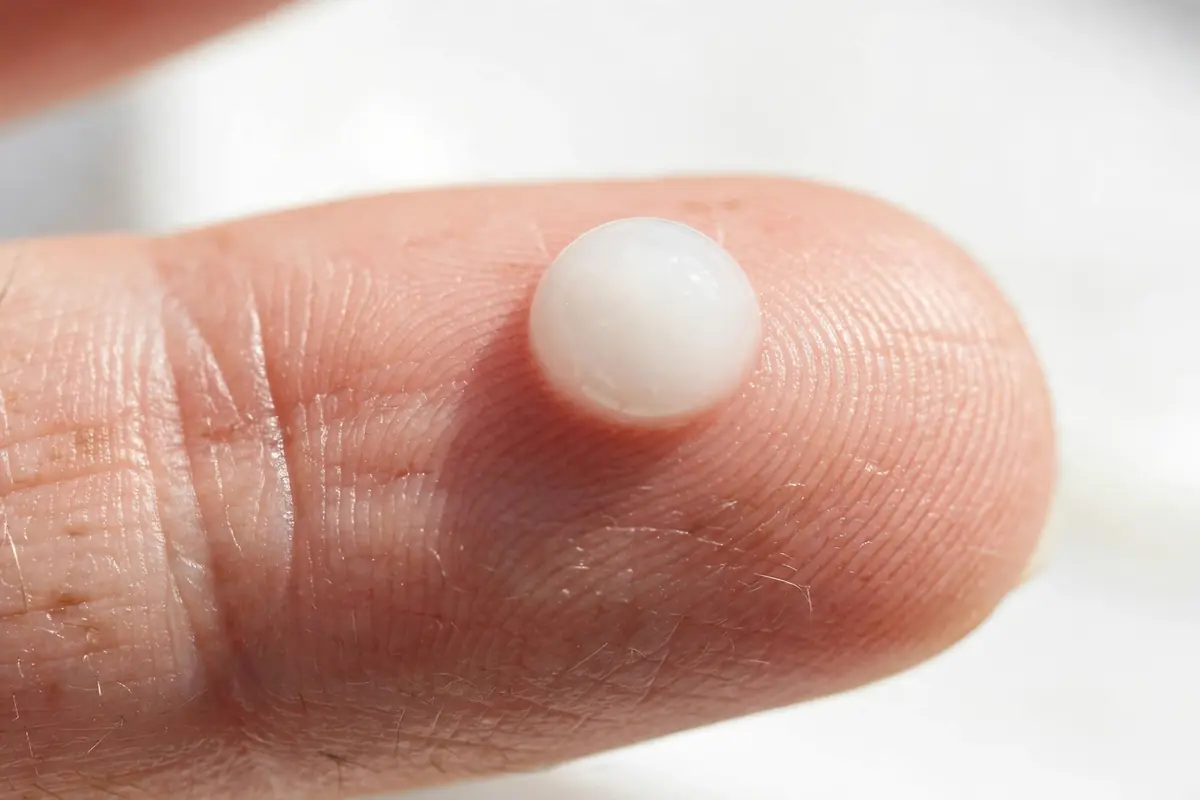
Less is more with retinol. A pea-sized amount is enough for your entire face — using more will not speed up results, it will only increase irritation. Dot the product on your forehead, cheeks, chin, and nose, then spread it in a thin, even layer.
Apply retinol at night only, on clean, dry skin. Wait a few minutes after washing your face before applying it — damp skin absorbs retinol more intensely, which can cause extra irritation. Follow with a plain moisturizer to keep your skin comfortable.
What to Pair with Retinol (and What to Avoid)
Retinol works best with simple, gentle companions. A plain moisturizer applied after retinol — the "sandwich method" of moisturizer, retinol, moisturizer — is a great way to reduce dryness. Hyaluronic acid serum underneath can help with hydration too.
Avoid using retinol on the same night as strong exfoliating acids like glycolic acid, or vitamin C in the same routine — combining too many actives irritates skin. Use vitamin C in the morning and retinol at night instead. And never skip sunscreen: retinol makes skin more sensitive to the sun, so SPF 30 or higher every morning is essential.
Common Side Effects and How to Handle Them
Some dryness, mild redness, and light flaking in the first few weeks is normal — dermatologists call this "retinization," and it usually passes as your skin adjusts. If it happens, cut back to fewer nights per week and use extra moisturizer. Do not scrub the flakes off; let them shed naturally.
If your skin becomes very red, swollen, or painful, stop using retinol for a few days and let your skin recover completely before restarting at a lower frequency. Severe irritation is a sign to slow down, not to push through.
How Long Before You See Results?
Retinol is not a quick fix. Most people notice smoother texture and fewer breakouts within four to six weeks, while fine lines and dark spots take eight to twelve weeks to visibly improve. The best results come after three to six months of consistent use.
Take a photo of your skin when you start, and another after two months — the gradual change is easy to miss day to day, but the comparison will show you how far your skin has come.

Start Slow, Stay Consistent
Retinol rewards patience. Start with a low strength, use a pea-sized amount a few nights a week, moisturize well, and never skip sunscreen. Your skin may protest a little at first, but if you go slowly, it will adjust — and the smoother, brighter skin is worth the wait.
Pick up a gentle retinol tonight, start with twice a week, and give it three months. Your future skin will thank you.