How to Shrink Large Pores Naturally: Easy Tips for Smoother Skin
Large pores are one of the most common skin complaints, and one of the most misunderstood. Pores do not open and close like doors, and you cannot shrink them permanently — but you can make them look much smaller with the right care. The secret is keeping them clean and your skin healthy.
With a simple routine of gentle cleansing, regular exfoliation, and good sun protection, most people see a real difference within a few weeks. Here are easy, natural tips for smoother-looking skin.
Why Do Pores Look Large?
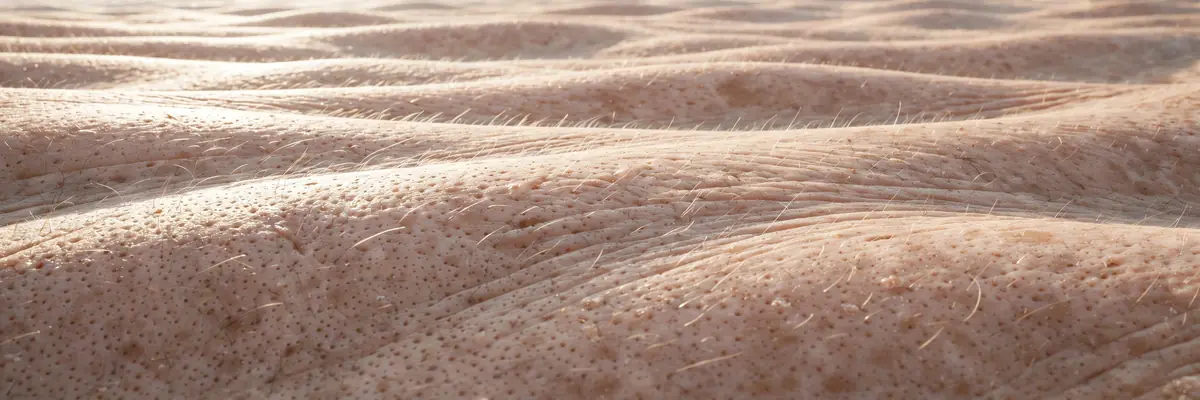
Pores look large for three main reasons: excess oil, clogged pores, and loss of firmness. When oil and dead skin build up inside a pore, it stretches and looks bigger. As skin ages and loses elasticity, pores can also appear larger because the skin around them is less firm.
Genetics play a role too — if your parents have visible pores, you are more likely to have them. Oily skin types usually notice pores more than dry skin types. The good news is that while you cannot change your genetics, you can control oil, congestion, and sun damage, which are the factors that make pores look worse.
Cleanse the Right Way
Cleansing is the foundation of pore care. Wash your face twice a day with a gentle cleanser to remove oil, dirt, and makeup before they settle into your pores. A gel or foam cleanser works well for oily skin, while a cream cleanser suits drier skin.
Use lukewarm water, not hot, and massage the cleanser in with your fingertips for about a minute. Avoid harsh scrubbing, which irritates skin and can make pores look worse. Always remove makeup before bed — sleeping in makeup is one of the fastest ways to clog pores.
Exfoliate Gently and Regularly
Exfoliation removes the dead skin cells that clog pores and make them look larger. A gentle chemical exfoliant with salicylic acid is often the best choice, because it works inside the pore to dissolve oil and debris. Use it two or three times a week, not every day.
Physical scrubs can work too, but choose one with fine, smooth particles and a light touch. Over-exfoliating damages the skin barrier and causes redness, which draws more attention to pores. If your skin feels tight or stings, cut back — gentle and regular beats harsh and often.

Use a Clay Mask Weekly
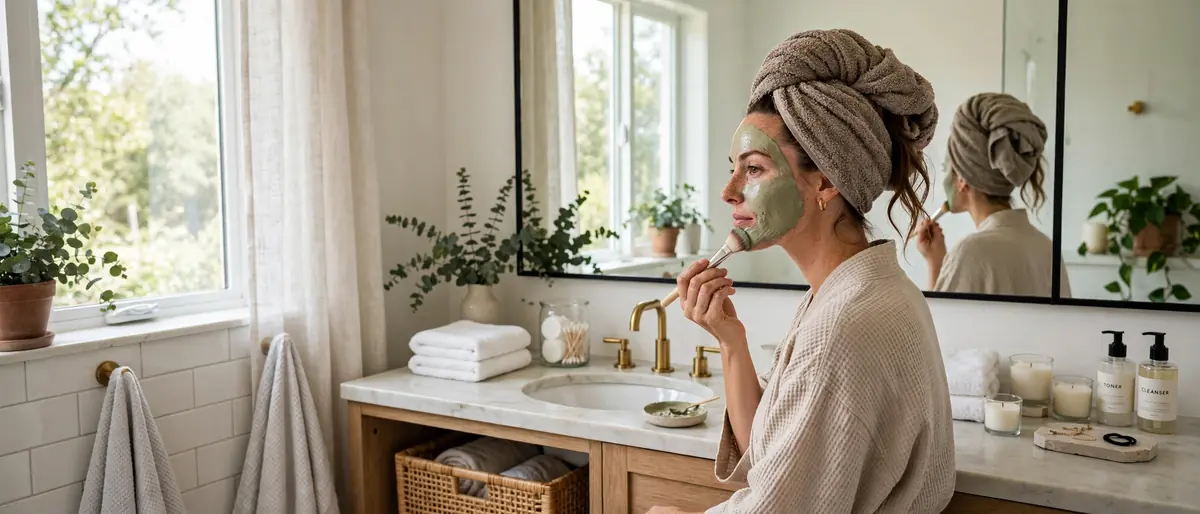
A clay mask is one of the quickest ways to make pores look smaller. Clay absorbs excess oil and draws out impurities from deep inside the pores, leaving skin looking clearer and smoother. Use one once a week, after cleansing, for the best results.
Apply a thin, even layer over your face, avoiding the eye area, and leave it on for ten to fifteen minutes. Do not let it dry completely hard and crack — rinse it off while it is still slightly damp. Follow with a light moisturizer, since clay can leave skin feeling a little dry.
Never Skip Moisturizer
It seems strange to moisturize skin with large pores, but skipping moisturizer makes things worse. When skin is dry, it produces more oil to compensate, and that extra oil fills pores and makes them look bigger. A light, oil-free moisturizer keeps skin balanced.
Choose a gel or lightweight lotion rather than a heavy cream, and apply it morning and night after cleansing. Look for ingredients like niacinamide, which helps balance oil and improve the look of pores over time. Hydrated skin always looks smoother than dehydrated skin.
Sun Protection Matters
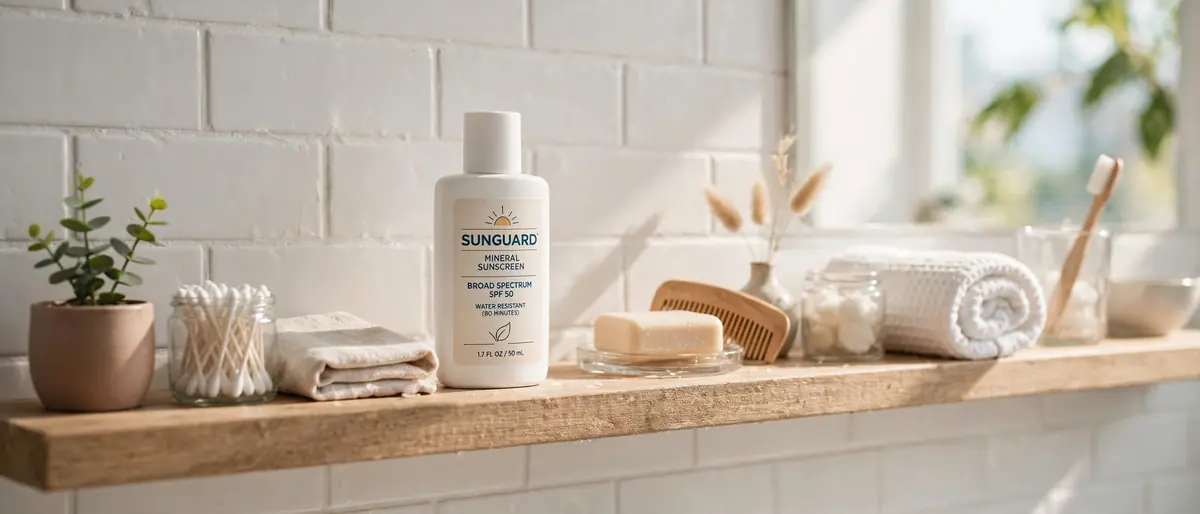
Sun damage is one of the biggest causes of large-looking pores. UV rays break down collagen, the protein that keeps skin firm, and as skin loses firmness, pores stretch and become more visible. Daily sunscreen is one of the most effective pore treatments there is.
Use a broad-spectrum sunscreen with at least SPF 30 every morning, even on cloudy days. Choose a lightweight, non-comedogenic formula that will not clog pores. Reapply if you spend a long time outdoors. Protecting your collagen today keeps your pores looking smaller for years to come.
Home Remedies That Help
A few simple home remedies can help pores look smaller. A cold water rinse after cleansing can temporarily tighten skin, and a chilled green tea toner can calm redness and reduce the look of oiliness. These are gentle, cheap, and easy to add to your routine.
Aloe vera gel is another good option: it soothes skin and provides light hydration without clogging pores. Apply a thin layer after cleansing and let it absorb before moisturizer. Keep expectations realistic, though — home remedies support a good routine, but they cannot replace cleansing, exfoliation, and sunscreen.
When to See a Dermatologist
If your pores still bother you after several weeks of consistent care, a dermatologist can help. Professional treatments like chemical peels, microneedling, and laser therapy can improve skin texture and make pores look significantly smaller. These treatments work by boosting collagen and resurfacing the skin.
A dermatologist can also check whether something else is going on, such as acne or a skin condition that needs treatment. Do not try strong at-home peels or devices without advice — they can damage your skin. Professional guidance is worth it when home care has reached its limit.