How to Prevent Hair Damage: Heat, Color & Styling Tips
Split ends, breakage, frizz, fading color — most hair damage is not caused by one dramatic event. It builds up quietly from everyday habits: the flat iron set too hot, the bleach appointment without aftercare, the tight ponytail worn in the same spot every day. The good news is that nearly all of it is preventable, and healthy hair does not require giving up styling altogether.
Here is what actually damages hair, and how to protect it without changing your whole routine.
Heat Damage: The Number One Culprit
Heat is the fastest way to damage hair. Flat irons and curling wands can reach 450°F (230°C), and at those temperatures the keratin proteins inside the hair shaft break down, the protective cuticle cracks, and moisture escapes permanently. The result is hair that feels dry, snaps easily, and will not hold a style.
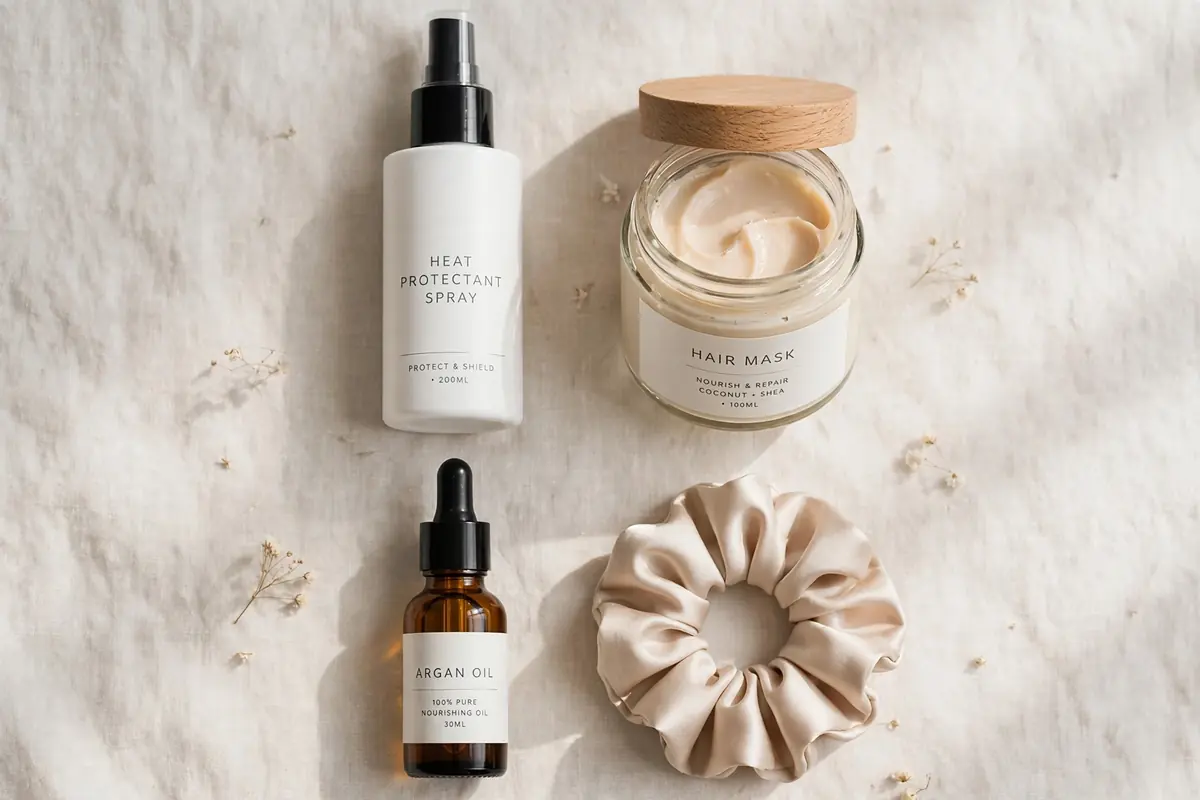
A heat protectant is non-negotiable: it slows heat transfer and seals in moisture. Apply it to damp hair before blow-drying and again before any hot tool. Just as important is temperature: fine or damaged hair should stay below 300°F (150°C), while thick, coarse hair rarely needs more than 350°F (180°C). If your tool only has low, medium, and high settings, medium is almost always enough.
Two habits matter most. First, never use a hot tool on wet hair — water inside the shaft boils and blisters the cuticle, a type of damage called bubble hair. Second, give your hair heat-free days: air-dry twice a week, or try heatless curls with a silk scarf or foam rollers. Your hair recovers on rest days the way muscles do.
Color Damage: What Bleach Really Does
Coloring, especially lightening, is the second major source of damage. Bleach works by lifting the cuticle and dissolving the hair's natural pigment — and in the process it weakens the protein structure inside. Repeated bleaching without recovery time is what turns hair stretchy, gummy, and prone to snapping.
If you color your hair, spacing matters. Wait at least six to eight weeks between full bleach sessions, and ask your colorist about bond-building treatments, which reconnect broken protein bonds inside the hair during the coloring process. At home, switch to a sulfate-free shampoo — sulfates strip color faster — wash in cool water, and use a deep-conditioning mask weekly.
One common mistake: coloring already-damaged hair to "fix" how it looks. Color on compromised hair takes unevenly and breaks further. If your hair is snapping, pause the color, focus on repair for a month, and then recolor. Patience here saves you from a much bigger problem later.
Styling Habits That Quietly Break Hair
Some damage comes from habits that feel harmless. Tight ponytails and buns, especially in the same spot every day, cause traction damage — hair breaks at the tension point, and over time the hairline can recede. Switch to looser styles, vary the position, and use silk scrunchies or spiral ties instead of thin elastic bands, which grip and snap strands.
Wet hair is at its weakest, stretching up to 30% more than dry hair before breaking. Never brush wet hair aggressively with a fine-tooth comb. Use a wide-tooth comb or a detangling brush, start from the ends and work upward, and be patient with knots. Sleeping on a silk or satin pillowcase also reduces friction breakage overnight — cotton absorbs moisture and roughs up the cuticle while you sleep.
Brushing technique matters too. One hundred strokes a day is a myth that causes breakage. Brush only enough to detangle and distribute natural oils, and use a brush with flexible bristles rather than stiff ones that yank through tangles.
Repair: What Actually Works
Once damage exists, no product can truly "heal" split ends — the only fix for a split end is a trim. But the right care can dramatically improve how damaged hair looks and feels, and prevent further breakage. Regular trims every eight to twelve weeks stop splits from traveling up the shaft.
Protein treatments help hair that feels mushy or overly stretchy when wet — a sign of protein loss from bleach or heat. Moisture masks help hair that feels dry and rough. Most damaged hair needs both, alternating weekly. Oils like argan and coconut reduce friction and seal the cuticle, but apply them to the lengths and ends, not the roots, to avoid a greasy scalp.
Be skeptical of miracle claims: a product promising to "repair" hair in one wash usually just coats it with silicones. That is not useless — coating protects against further damage — but it is not the same as strengthening, and buildup from heavy silicones eventually makes hair dull. Clarify once a month with a gentle clarifying shampoo.
Your Damage-Prevention Routine
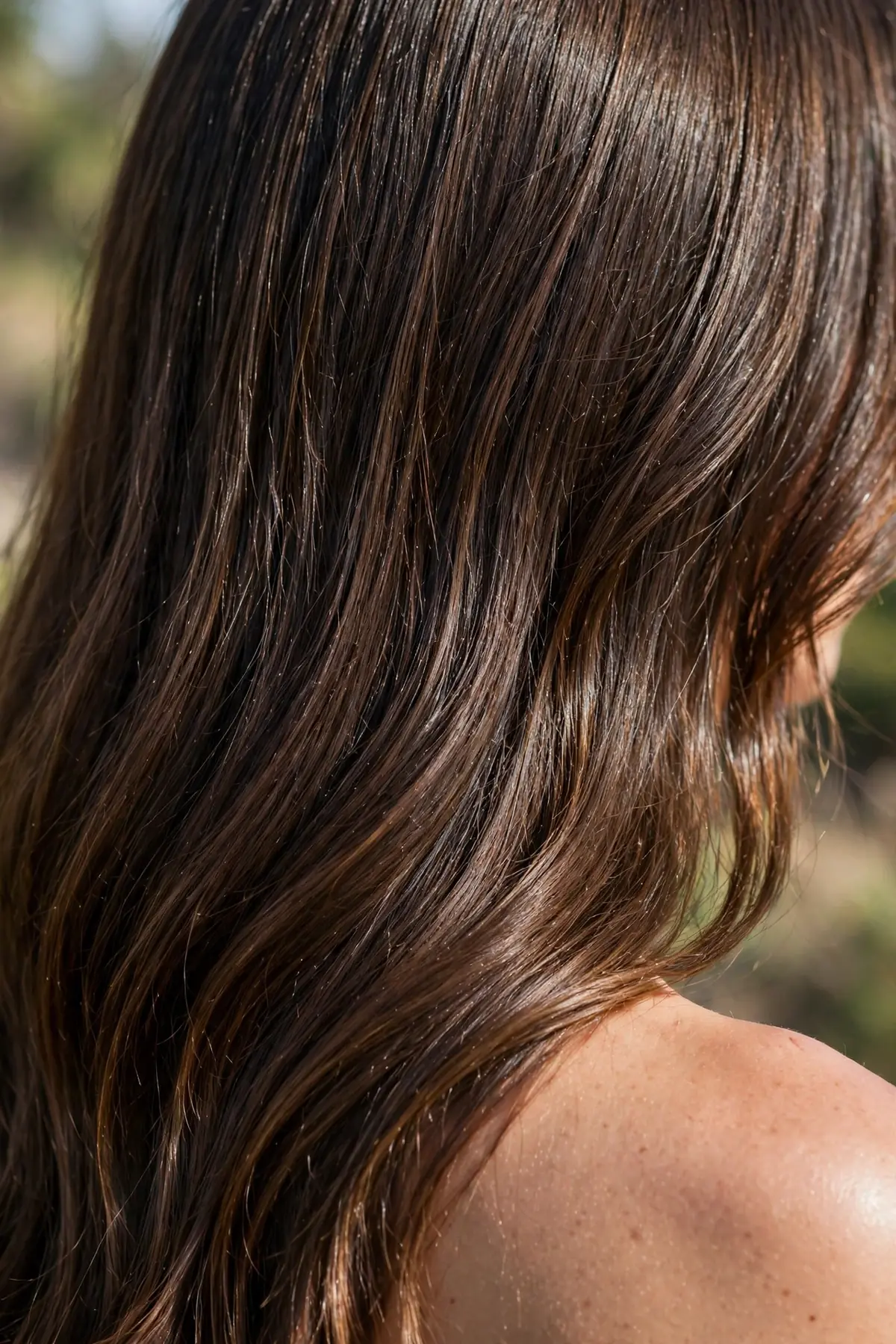
Here is the simple version: use heat protectant every time, keep tools below 350°F, and take heat-free days. Space out color sessions, use bond builders, and wash with sulfate-free shampoo in cool water. Wear looser styles, detangle wet hair gently from the ends, and sleep on silk. Trim every two to three months and alternate protein and moisture treatments.
Healthy hair is not about perfection or expensive products. It is about removing the small daily stresses that add up — and giving your hair the same consistent, gentle care you would give anything you want to last.