How to Grow Hair Faster Naturally: 8 Proven Tips for Longer Hair
Everyone wants longer, thicker hair — but hair grows at its own pace, about half an inch a month on average. You cannot force your hair to grow faster overnight, but you can create the conditions that let it reach its full potential. Healthy hair grows longer because it breaks less, and that difference adds up over months.
Here are eight proven, natural tips that help your hair grow faster and stronger, without expensive treatments or harsh products.
Take Care of Your Scalp
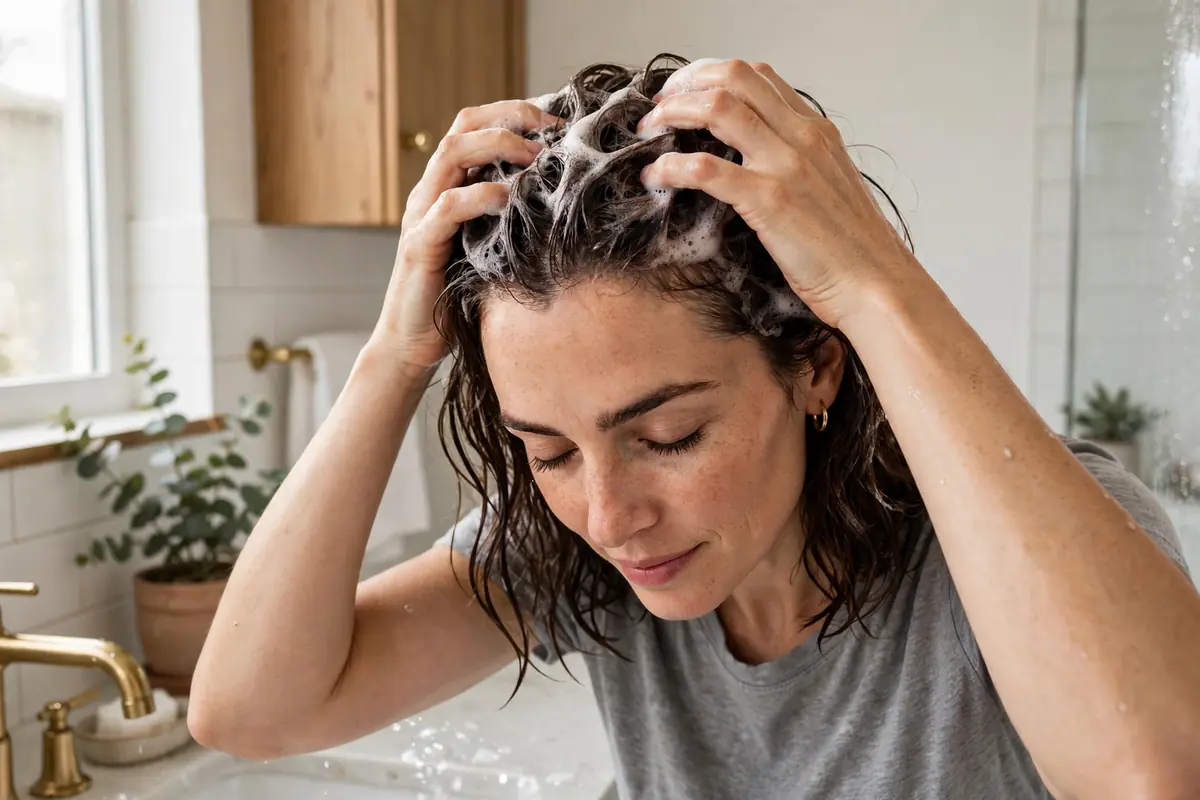
Hair growth starts at the scalp, not at the ends. A clean, healthy scalp grows better hair, while buildup, dryness, and irritation slow growth down. Wash your hair two to three times a week with a gentle shampoo, massaging the scalp with your fingertips — not your nails — for a minute or two.
A weekly scalp massage with a few drops of rosemary oil or coconut oil can help too. Massage increases blood flow to the hair follicles, and rosemary oil has been studied for hair growth support. Just remember: oils sit on the scalp, so wash them out properly afterward.
Eat for Hair Growth
Your hair is mostly made of protein, so your diet matters more than any shampoo. Eat enough protein every day — eggs, lentils, chicken, fish, yogurt, and beans are all good sources. Iron, zinc, and biotin also support growth, and you get them from foods like spinach, nuts, seeds, and whole grains.
Drink enough water too. Dehydrated hair is brittle hair, and brittle hair breaks before it gets long. A balanced diet will not make your hair grow inches in a week, but a poor diet will absolutely slow it down.

Trim Split Ends Regularly
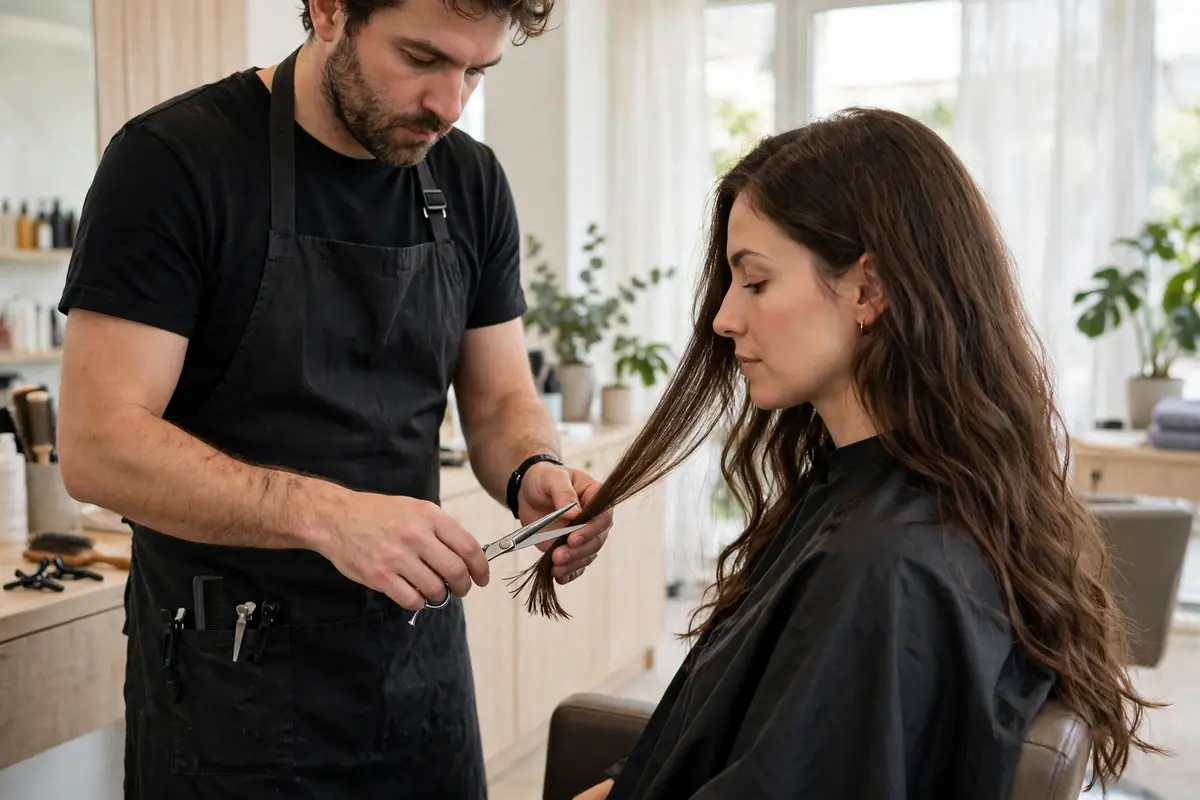
It sounds backwards, but trimming your hair helps it grow longer. Split ends travel up the hair shaft and cause breakage, so hair that is never trimmed stays the same length — the ends break off as fast as the roots grow.
A small trim every eight to twelve weeks, just a quarter inch, removes the damaged ends before they split further. Your hair keeps its length and looks thicker and healthier at the same time.
Stop the Heat Damage
Heat styling is one of the biggest reasons hair stops growing. Flat irons, curling wands, and high-heat blow dryers weaken the hair shaft and cause breakage, especially on the ends. If you want longer hair, cut back on heat as much as you can.
When you do use heat, always apply a heat protectant first, use the lowest temperature that works, and never iron the same section twice. Let your hair air-dry whenever possible, and save the hot tools for special occasions.
Be Gentle When Your Hair Is Wet
Wet hair is fragile hair. It stretches more easily and snaps under stress, so how you handle it after washing matters. Never brush wet hair with a regular brush — use a wide-tooth comb or a brush made for wet hair, and start from the ends, working your way up.
Pat your hair dry with a soft towel or an old cotton t-shirt instead of rubbing it roughly. Rough towel-drying creates frizz and breakage, and a microfiber towel or t-shirt is much kinder to your hair.
Protect Your Hair While You Sleep
Your hair spends eight hours a night rubbing against your pillow, and that friction causes breakage — especially if you sleep on cotton. Switch to a silk or satin pillowcase, which lets your hair slide instead of catching and snapping.
A loose braid before bed also protects your hair: it keeps the strands together, prevents tangles, and even gives you gentle waves in the morning. Never tie your hair in a tight bun to sleep — the tension pulls on the roots and breaks hair at the hairline.

Choose the Right Products
You do not need a shelf full of products, but the ones you use should suit your hair. A sulfate-free shampoo is gentler on the scalp, and a conditioner after every wash keeps the lengths moisturized and less likely to break. A weekly deep-conditioning mask or hair oil treatment adds extra strength.
Avoid products with heavy silicones and alcohol, which dry hair out over time. And be patient with new products — give each one at least a month before deciding whether it works for you.
Patience Is the Real Secret
Hair growth is slow, and there is no shortcut. Most people see real length difference after three to four months of consistent care, and a full transformation takes six months to a year. Take a photo of your hair now, and another in three months — the change is easier to see in photos than in the mirror.
Eat well, protect your ends, be gentle with wet hair, and let your scalp do its work. Your hair is already growing — these habits just make sure none of that growth goes to waste.