How to Get Rid of Dark Spots on Your Face Naturally
Dark spots on the face — also called hyperpigmentation — are one of the most common skin concerns. They appear as flat brown or grey patches, often after sun exposure, acne, or hormonal changes. They are harmless, but they can make your skin look uneven and older than it is.
The good news is that dark spots can be faded. With the right habits, gentle products, and a little patience, most spots lighten noticeably within a few weeks. Here is how to get rid of dark spots on your face naturally and safely.
What Causes Dark Spots?
Dark spots form when your skin produces extra melanin, the pigment that gives skin its color. The most common cause is sun exposure: UV rays trigger melanin production, and over time the extra pigment collects into spots, often called sun spots or age spots.
Acne is another major cause. When a pimple heals, it can leave a dark mark behind, known as post-inflammatory hyperpigmentation. Hormonal changes — during pregnancy, or from birth control — can cause larger patches called melasma. Knowing the cause helps you choose the right treatment and prevent new spots from forming.
Sunscreen: The First Step
No dark spot treatment works without sunscreen. Sunlight darkens existing spots and creates new ones, so any fading you achieve will be undone the moment you step outside unprotected. Sunscreen is not optional — it is the foundation of the whole routine.
Use a broad-spectrum sunscreen with at least SPF 30 every single morning, even on cloudy days and even if you stay indoors near windows. Apply it as the last step of your morning routine, and reapply every two hours if you are outside. This one habit prevents more dark spots than any cream can fix.
Vitamin C for Brighter Skin
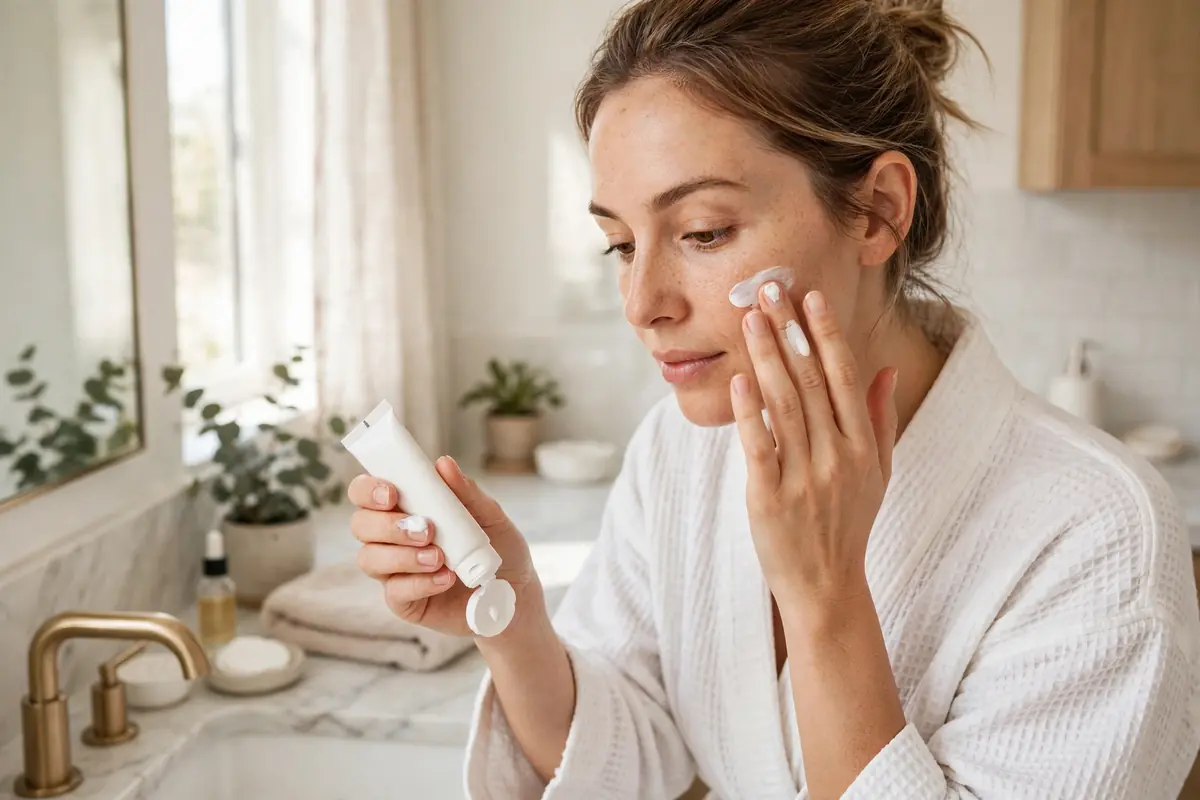
Vitamin C is one of the best-studied ingredients for fading dark spots. It works by slowing melanin production and brightening the overall skin tone. A vitamin C serum used every morning can visibly lighten spots over four to eight weeks.
Look for a serum with 10–20% L-ascorbic acid, the most effective form of vitamin C. Apply a few drops to clean skin before your moisturizer and sunscreen. Store the bottle away from light and heat, because vitamin C breaks down quickly — a serum that has turned dark orange has lost its strength and should be replaced.

Exfoliation That Helps (Not Hurts)
Gentle exfoliation speeds up fading by removing the top layer of pigmented skin cells and letting fresh, even-toned skin show through. Chemical exfoliants like glycolic acid and lactic acid (AHAs) are the best choice for dark spots, because they work evenly across the whole face.
Use an AHA product two or three times a week at night, starting with a low strength if your skin is sensitive. Avoid harsh scrubs and over-exfoliating — irritated skin produces even more pigment, which makes spots worse. If your skin feels tight, red, or stingy, cut back to once a week.
Natural Remedies That Work
Several natural ingredients can help fade dark spots gently. Aloe vera gel, applied daily, soothes the skin and contains compounds that may lighten pigmentation over time. Licorice root extract is another well-known brightener, found in many natural skincare products.
Green tea extract, used as a toner or in a serum, contains antioxidants that help even out skin tone. Whatever natural remedy you try, use it consistently for at least four weeks before judging the result — natural ingredients work slowly, and patience is part of the treatment.

What to Avoid
Some popular home remedies do more harm than good. Undiluted lemon juice is too acidic for most skin and can cause irritation, burns, and even more pigmentation — especially in sunlight. Harsh bleaching creams and strong acids bought without guidance can damage your skin barrier.
Avoid picking at pimples, which is one of the fastest ways to create new dark marks. And never combine several strong active ingredients at once — vitamin C, retinol, and acids all at the same time will irritate your skin and slow your progress.
When to See a Dermatologist
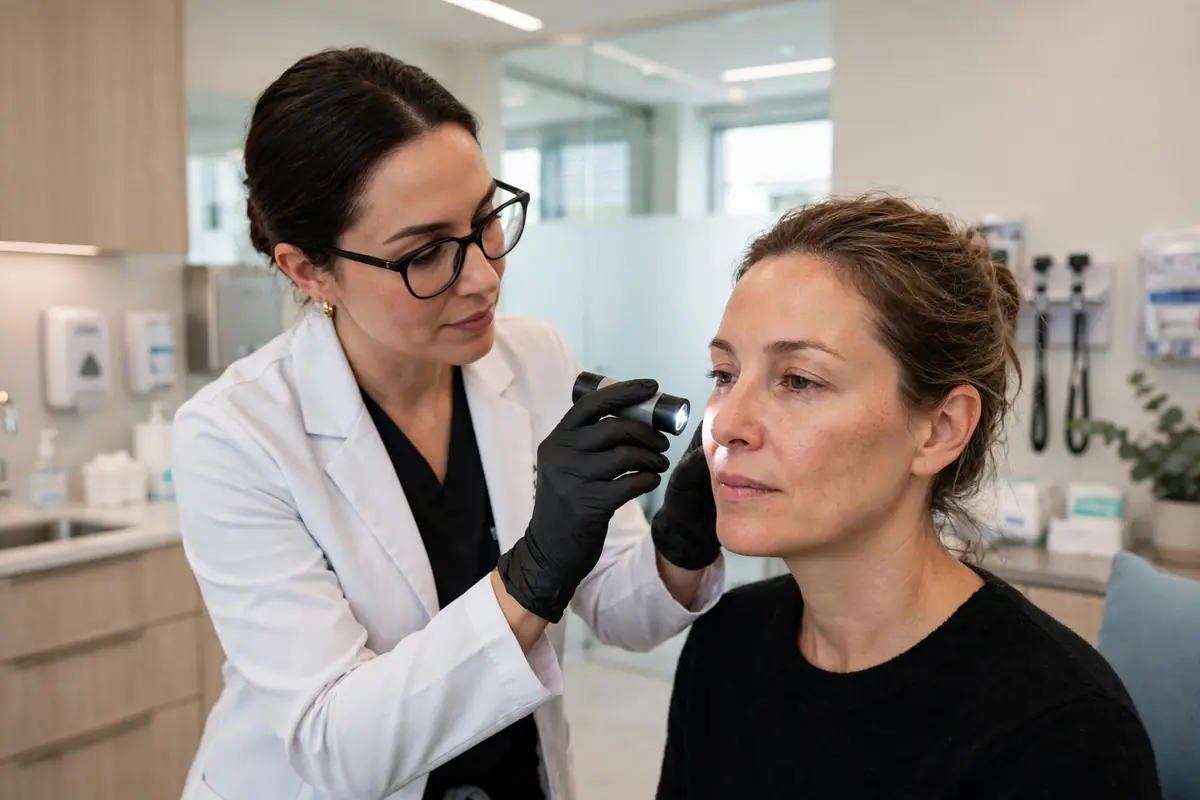
Most dark spots fade with home care, but some need professional help. See a dermatologist if a spot changes shape, color, or size quickly, bleeds, or itches — these can be signs of something more serious. A dermatologist can also offer stronger treatments like prescription creams, chemical peels, or laser therapy for stubborn spots that do not respond to home care.
Professional treatments work faster, but they still need sunscreen and a gentle routine afterward, or the spots will return.
Clearer Skin Takes Time
Fading dark spots is a slow process, but it works. Protect your skin from the sun every day, use vitamin C and gentle exfoliation consistently, and give the natural remedies time to work. Most people see real improvement in six to eight weeks, and even more by three months.
Be patient with your skin, stay consistent, and remember: the best dark spot treatment is the one you actually use every day.