How to Get Rid of Dandruff Naturally: Easy Home Remedies That Work
Dandruff is one of the most common hair problems in the world, and it can be embarrassing. Those small white flakes on your shoulders, the itchy scalp, and the constant urge to scratch — most people deal with it at some point in their lives. The good news is that mild dandruff usually responds well to simple home remedies and a few small changes in your hair care routine.
You do not need expensive salon treatments to get a flake-free scalp. Many of the best remedies are already in your kitchen. Here is how to get rid of dandruff naturally, and how to keep it from coming back.
What Causes Dandruff?
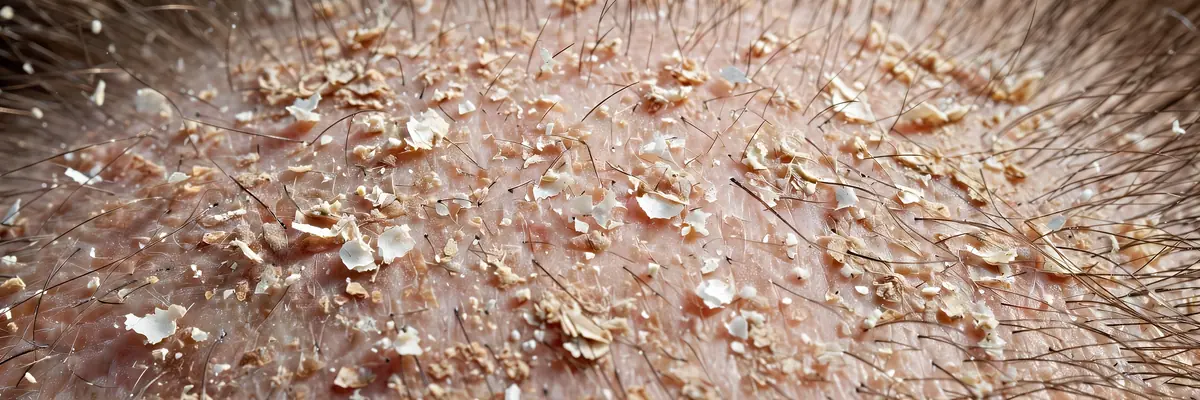
Dandruff is mostly caused by a yeast-like fungus called Malassezia that lives on everyone's scalp. It feeds on the natural oils your skin produces, and when it grows too fast, the skin cells on your scalp renew too quickly. These extra skin cells clump together with oil and fall off as visible white flakes.
Dry skin, oily skin, sensitivity to hair products, and not washing your hair often enough can all make dandruff worse. Cold, dry weather in winter also dries the scalp and brings out more flakes.
Wash Your Hair the Right Way
Washing your hair the right way is the first step against dandruff. Use a gentle anti-dandruff shampoo with zinc pyrithione, selenium sulfide, or ketoconazole, and massage it into your scalp with your fingertips for two to three minutes before rinsing. This gives the active ingredients time to work on the fungus that causes flakes.
Most people with dandruff should wash their hair two to three times a week. Washing too little lets oil and dead skin build up, while washing every day with a harsh shampoo can dry the scalp and make flaking worse.
Tea Tree Oil for a Healthy Scalp
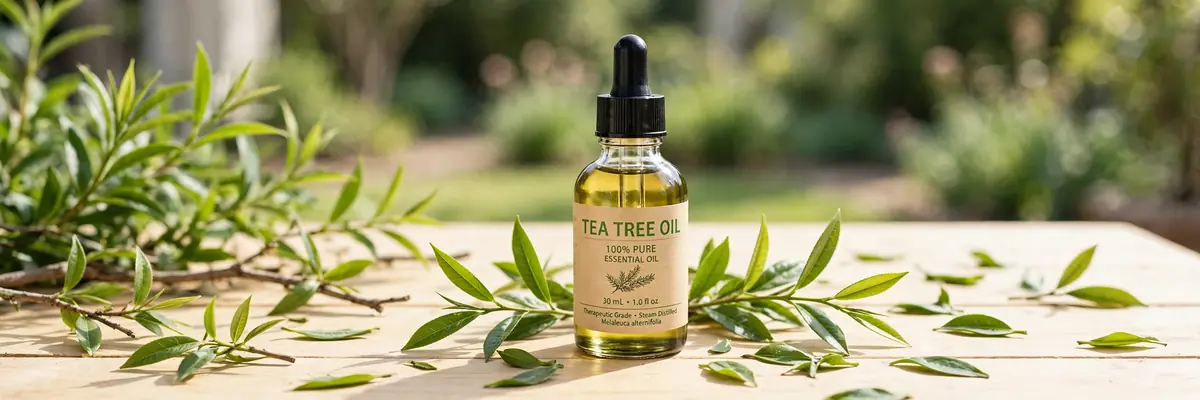
Tea tree oil is one of the best-studied natural remedies for dandruff. It has antifungal and antibacterial properties that help control the Malassezia fungus, and studies have shown that a shampoo with five percent tea tree oil can reduce flakes and itching within a few weeks.
Never apply pure tea tree oil directly to your scalp, because it is very strong and can cause irritation. Mix a few drops into your regular shampoo, or add five drops to two tablespoons of coconut oil and massage it into your scalp. Leave it for fifteen minutes, then wash it out.
Apple Cider Vinegar Rinse
Apple cider vinegar is a popular home remedy for dandruff because its mild acidity helps balance the pH of your scalp. A balanced scalp makes it harder for the dandruff-causing fungus to grow, and the vinegar also helps loosen flakes so they wash away easily.
Mix one part apple cider vinegar with three parts water and pour it over your scalp after shampooing. Massage gently, leave it for five minutes, then rinse with plain water. Use this rinse once or twice a week, and never use undiluted vinegar, because it can irritate your skin.

Coconut Oil Scalp Massage
Coconut oil is a gentle, effective way to calm a dry, flaky scalp. It moisturizes the skin, reduces dryness, and has mild antifungal properties that help fight the fungus behind dandruff. Many people notice less itching after just a few uses.
Warm two tablespoons of coconut oil until it is liquid, then massage it into your scalp with your fingertips for five minutes. Leave it on for at least thirty minutes, or overnight if you can, then wash it out with a mild shampoo. Use it once or twice a week.

Foods That Help Your Scalp
What you eat affects your scalp more than most people realize. Foods rich in zinc, such as chickpeas, pumpkin seeds, and yogurt, help control the oil glands and support healthy skin. Omega-3 fatty acids from fish, flaxseeds, and walnuts reduce inflammation and keep the scalp moisturized from the inside.
B vitamins, found in whole grains, eggs, and leafy greens, support the skin's natural renewal process. On the other hand, too much sugar, alcohol, and processed food can feed the fungus and make dandruff worse.
Habits That Make Dandruff Worse
Some everyday habits quietly make dandruff worse. Scratching your scalp feels good in the moment, but it damages the skin and spreads flakes. Using too much styling product builds up on the scalp and feeds the fungus. Wearing a tight hat or helmet for hours traps sweat and oil against the skin.
Sleeping with wet hair also creates a warm, damp environment where fungus grows easily. Try to wash your hair in the morning or dry it before bed, change your pillowcase once a week, and clean your comb and brush regularly.
When to See a Doctor
Most dandruff improves with home remedies and anti-dandruff shampoo within three to four weeks. But if the flakes do not reduce, or the itching becomes severe, it is time to see a doctor or dermatologist. Red, swollen, or painful patches, yellow crusty scales, or hair loss are signs that the problem may be something else, such as seborrheic dermatitis, psoriasis, or a fungal infection.
A dermatologist can prescribe a stronger medicated shampoo or a short course of treatment that works faster than home remedies.