How to Fix Frizzy Hair: Easy Tips for Smooth, Shiny Hair
Frizzy hair happens when the outer layer of your hair — the cuticle — lifts up and lets moisture in. The hair swells, the strands separate, and instead of smooth, shiny hair you get a halo of flyaways. Humidity makes it worse, but frizz is not just a weather problem: how you wash, dry, and style your hair matters just as much.
The good news is that frizz is very fixable. With the right routine, most people see smoother hair within a couple of weeks. Here is how to fix frizzy hair for good.
Understand Why Your Hair Frizzes
Frizz starts with dryness. When hair lacks moisture, it absorbs water from the air, the cuticle swells, and the strand becomes rough and puffy. Curly and wavy hair frizzes more easily because its cuticle is naturally more open, but straight hair can frizz too — especially if it is damaged by heat, color, or harsh products.
Damage also causes frizz. Bleach, frequent heat styling, and rough brushing all lift the cuticle and leave hair rough. Knowing your cause helps you fix it: dry hair needs moisture, damaged hair needs repair and protection, and both need gentler handling.
Wash Less, Wash Gently
Washing your hair every day strips away its natural oils and leaves it dry and frizzy. Most people do better washing two or three times a week. On the days between washes, a little dry shampoo at the roots keeps hair fresh without drying out the lengths.
When you do wash, use lukewarm water — hot water opens the cuticle and dries hair out. Choose a sulfate-free, moisturizing shampoo, and always follow with conditioner. Apply conditioner mainly to the mid-lengths and ends, where hair is oldest and driest, and leave it on for two to three minutes before rinsing.

Conditioner Is Your Best Friend
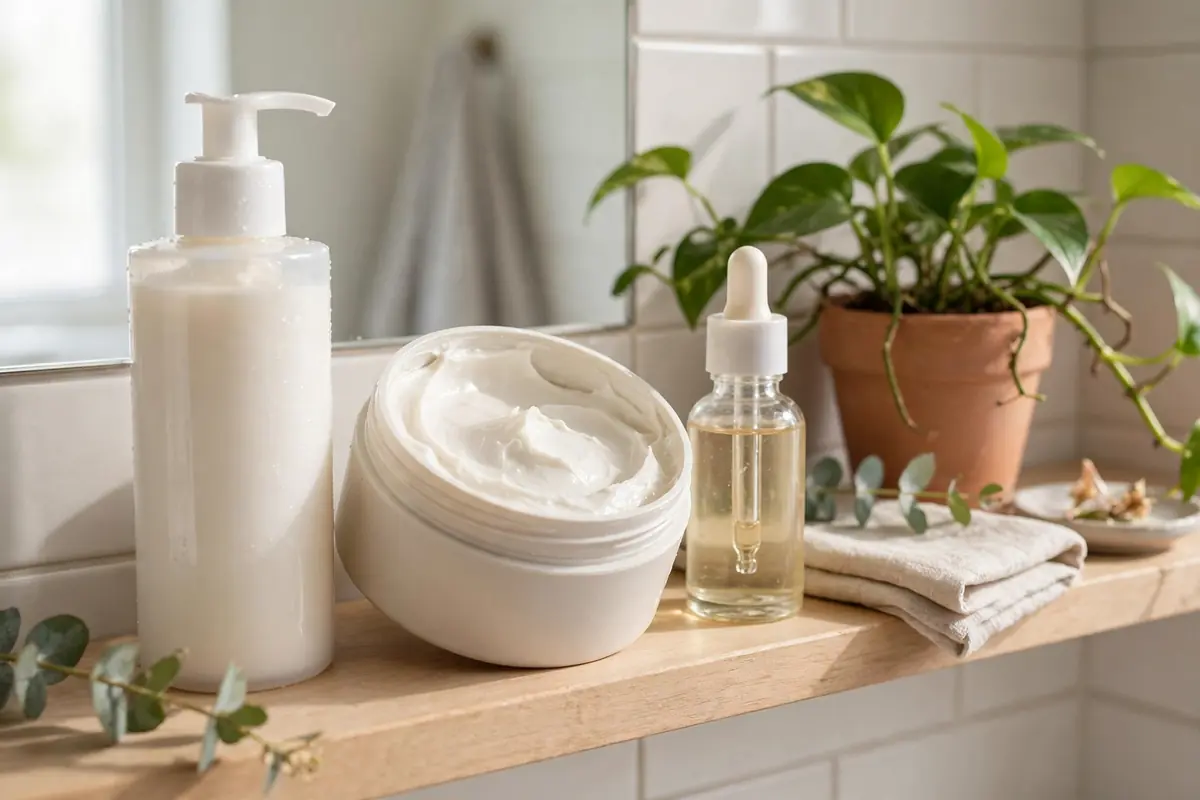
If you do only one thing for frizz, make it conditioning. Conditioner smooths the cuticle, seals in moisture, and makes hair easier to comb. A rinse-out conditioner after every wash is the minimum; a weekly deep-conditioning mask or hair mask treatment takes it further.
For very frizzy hair, try a leave-in conditioner after washing. A small amount, worked through damp hair from mid-length to ends, keeps frizz down all day without weighing hair down. Start with a pea-sized amount — you can always add more, but too much leave-in makes hair look greasy.
Dry Your Hair the Right Way
How you dry your hair matters as much as how you wash it. Rubbing wet hair with a rough towel roughs up the cuticle and creates frizz before your hair is even dry. Instead, gently squeeze out the water with a microfiber towel or an old cotton t-shirt.
Let your hair air-dry when you can. If you use a blow dryer, use the lowest heat setting and a diffuser or nozzle attachment, and always point the airflow down the hair shaft — from roots to ends — which smooths the cuticle flat. Finish with a shot of cool air to seal the cuticle and add shine.

Brush Smarter, Not Harder
Brushing dry, frizzy hair often makes it worse: the brush breaks up the hair's natural pattern and creates static and flyaways. Brush your hair before washing, when it is dry, to remove tangles gently. After washing, use a wide-tooth comb on damp hair instead of a brush.
If you need to smooth flyaways during the day, run a tiny drop of hair oil or serum over your palms and lightly smooth the top layer of your hair. A clean toothbrush sprayed with a little hairspray also works for taming baby hairs along the hairline.
Products That Actually Help Frizz
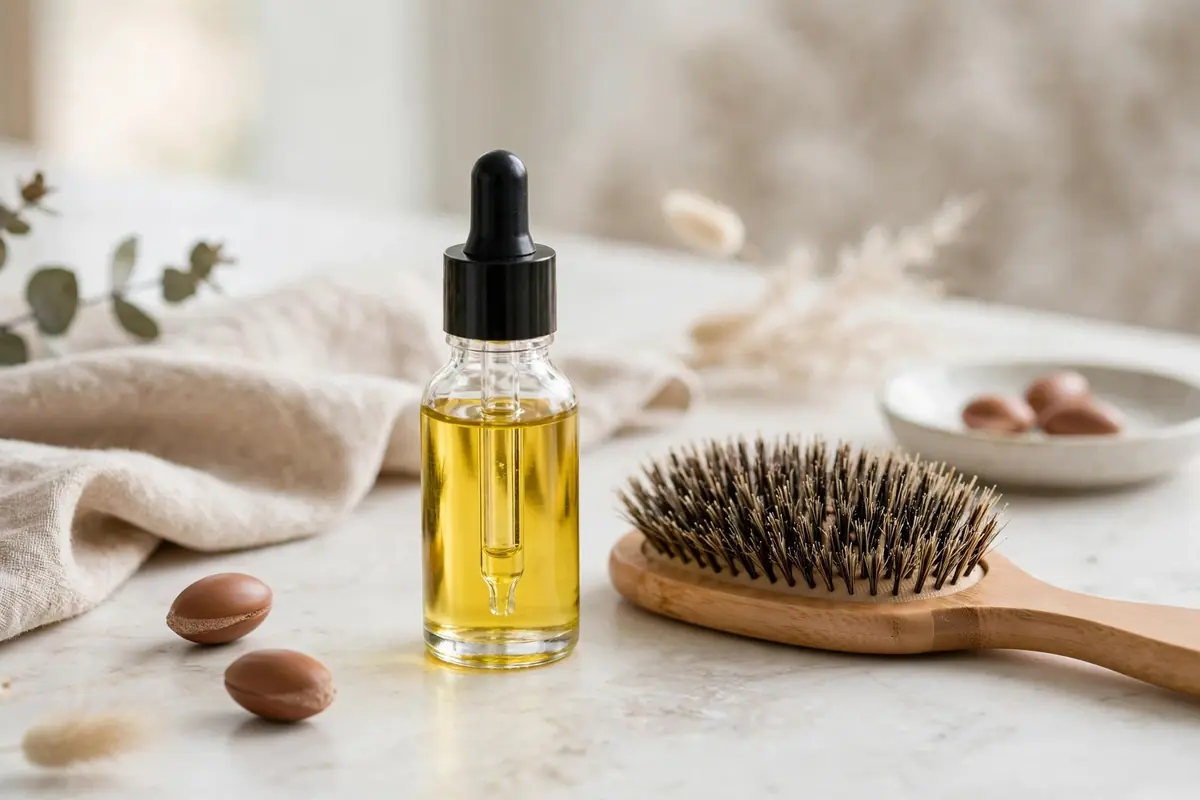
A few products make a real difference for frizz. A lightweight hair oil — argan, jojoba, or coconut — seals the cuticle and adds shine; use one or two drops on the ends only. A smoothing serum or cream works similarly and is often better for fine hair that oils weigh down.
Avoid products with a lot of alcohol, which dry hair out, and heavy silicones, which can build up and make hair dull over time. In very humid weather, an anti-humidity spray or a light hairspray on the finished style helps hold smoothness in place.
Protect Your Hair from Humidity
Humidity is frizz's best friend, so on damp or rainy days, give your hair extra protection. A braid or a low bun keeps hair contained and stops the strands from swelling and separating. A hat or a scarf also shields hair from damp air.
If you live somewhere humid, make leave-in conditioner and anti-frizz serum part of your daily routine rather than occasional extras. The goal is to keep the cuticle sealed so outside moisture cannot get in.
Smooth Hair Is a Habit
Fixing frizz is not about one magic product — it is about a gentler routine. Wash less often, condition every time, dry hair gently, and seal the cuticle with a little oil or serum. Most people notice a real difference within two weeks, and the improvement keeps building.
Be patient with your hair, especially if it has been damaged by heat or color. Healthy, moisturized hair does not frizz — give it the moisture and care it needs, and the smoothness will follow.