How to Choose a Moisturizer for Your Skin Type
Moisturizer is the one product almost every skin type needs — yet it is also one of the most confusing to choose. Walk down any skincare aisle and you will find gels, lotions, creams, and balms, each promising hydration. Pick the wrong one and skin feels greasy, tight, or breaks out; pick the right one and your skin stays balanced, soft, and healthy.
This guide shows you how to choose a moisturizer for your skin type — what texture to pick, which ingredients matter, and the mistakes to avoid.
Why Moisturizer Matters for Every Skin Type
Moisturizer does two jobs: it adds water to the skin and it seals that water in. Even oily skin needs this — when skin is dehydrated, it often produces MORE oil to compensate, which creates more breakouts and shine.
A good moisturizer also protects the skin barrier — the outer layer that keeps moisture in and pollution, bacteria, and irritants out. When the barrier is healthy, skin looks calm and even; when it is damaged, skin becomes reactive, red, and sensitive.
Know Your Skin Type First
Before choosing a moisturizer, identify your skin type. Wash your face with a gentle cleanser, wait an hour without applying anything, then observe: if your whole face feels tight and flaky, you have dry skin; if your T-zone (forehead, nose, chin) shines but cheeks feel normal, you have combination skin; if your whole face looks shiny and feels greasy, you have oily skin; if products often sting or cause redness, you have sensitive skin.
Skin type can also change with seasons and age: skin that is oily in summer may turn combination or dry in winter. Reassess your skin type when seasons change, and adjust your moisturizer texture accordingly rather than using the same product all year.

Gel, Lotion, or Cream: Pick Your Texture
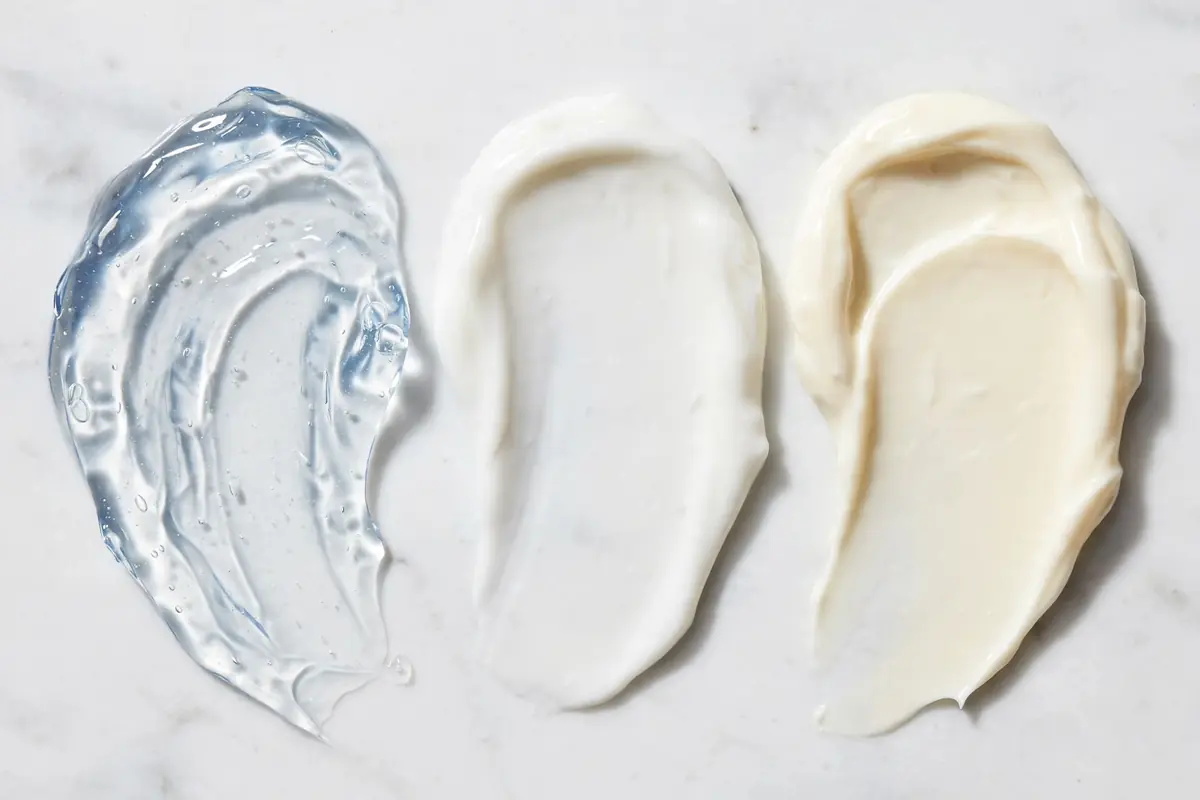
Texture is the most important choice, and it follows skin type closely. Gel moisturizers are water-based, lightweight, and absorb fast — ideal for oily skin and hot, humid weather, because they hydrate without adding oil or heaviness. Look for gel formulas with hyaluronic acid and glycerin for oil-free hydration.
Lotions are lighter than creams but richer than gels — the best middle ground for normal and combination skin.
Creams are the richest texture: thick, occlusive formulas that seal in moisture for hours — best for dry skin and cold weather. Balms are even heavier and suit very dry or eczema-prone skin. As a rule: the drier your skin, the richer your texture should be.
Key Ingredients to Look For
Beyond texture, ingredients decide how well a moisturizer works. Humectants — hyaluronic acid, glycerin, and aloe — draw water into the skin and suit all skin types. Emollients — squalane, jojoba oil, and shea butter — soften and smooth skin, and work best for dry skin. Occlusives — petrolatum, beeswax, and lanolin — form a seal that locks moisture in, ideal for very dry skin and winter use.
For specific concerns, look for targeted ingredients: ceramides rebuild a damaged barrier (great for sensitive skin), niacinamide calms redness and controls oil (great for oily and combination skin), and antioxidants like vitamin E protect against environmental damage.
Day vs Night Moisturizers
Day and night moisturizers serve different purposes, and using the right one at the right time improves results. Day moisturizers should be lighter — they sit under sunscreen and makeup — and many include SPF, though a separate sunscreen is still recommended for full protection. A light lotion or gel with antioxidants works well for daytime.
Night moisturizers can be richer, since they work undisturbed for hours while skin repairs itself. A cream with ceramides, peptides, or retinol (in a separate night product) supports overnight recovery.
How to Apply Moisturizer Correctly
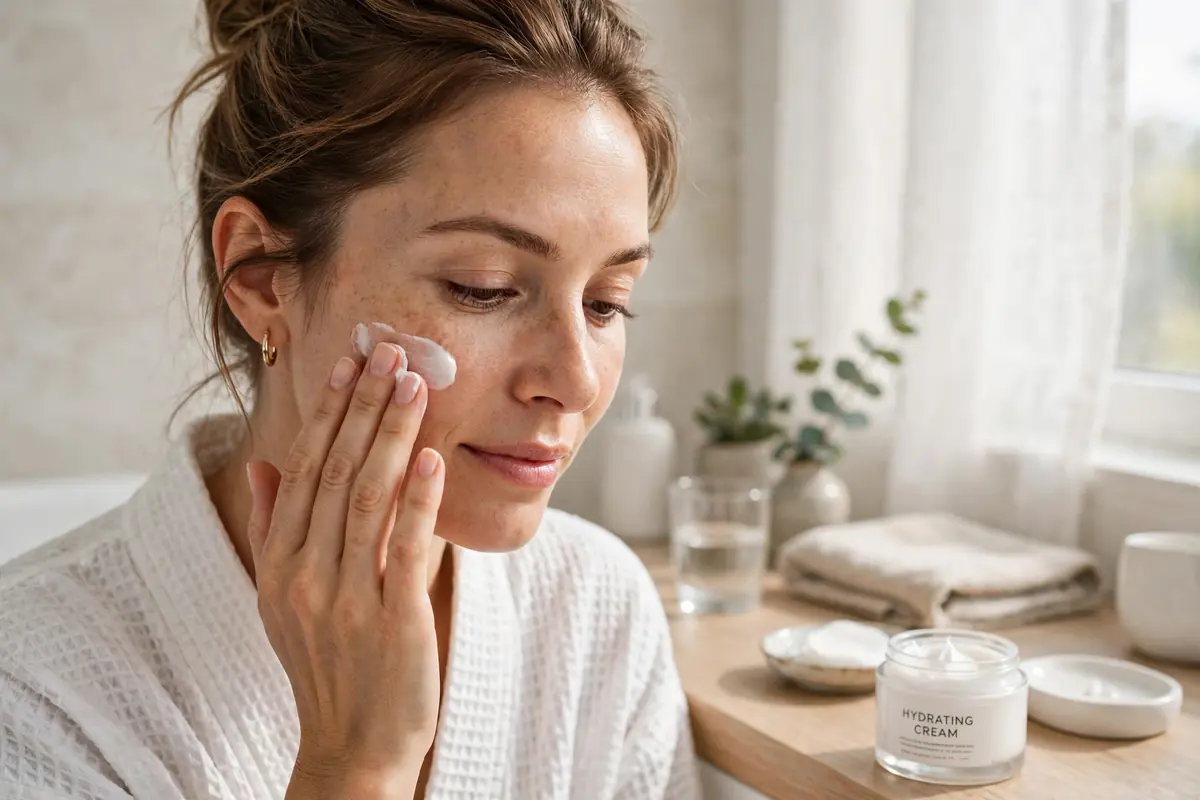
Application matters as much as the product. Apply moisturizer to slightly damp skin — right after cleansing or toning — because damp skin absorbs humectants better and seals in more moisture. Use a pea-sized amount for the face (more for a cream on dry skin), warm it between your fingers, and press it gently into skin rather than rubbing harshly. If your skin still feels tight after moisturizing, your product is too light; if it feels greasy or pills under makeup, it is too heavy — adjust texture, not amount, first.
Moisturizer Mistakes to Avoid
The most common mistake is skipping moisturizer because your skin is oily — as explained above, dehydrated oily skin produces even more oil. Another mistake is using a heavy cream on oily skin, which clogs pores and causes breakouts; match texture to skin type instead. Over-moisturizing is also real: too many layers or too-rich products can trap heat and cause congestion, especially in summer.
Other mistakes: applying moisturizer to completely dry skin (it absorbs worse), choosing products by fragrance or packaging instead of ingredients, and never changing your moisturizer when seasons change.
Soft, Balanced Skin Starts Here
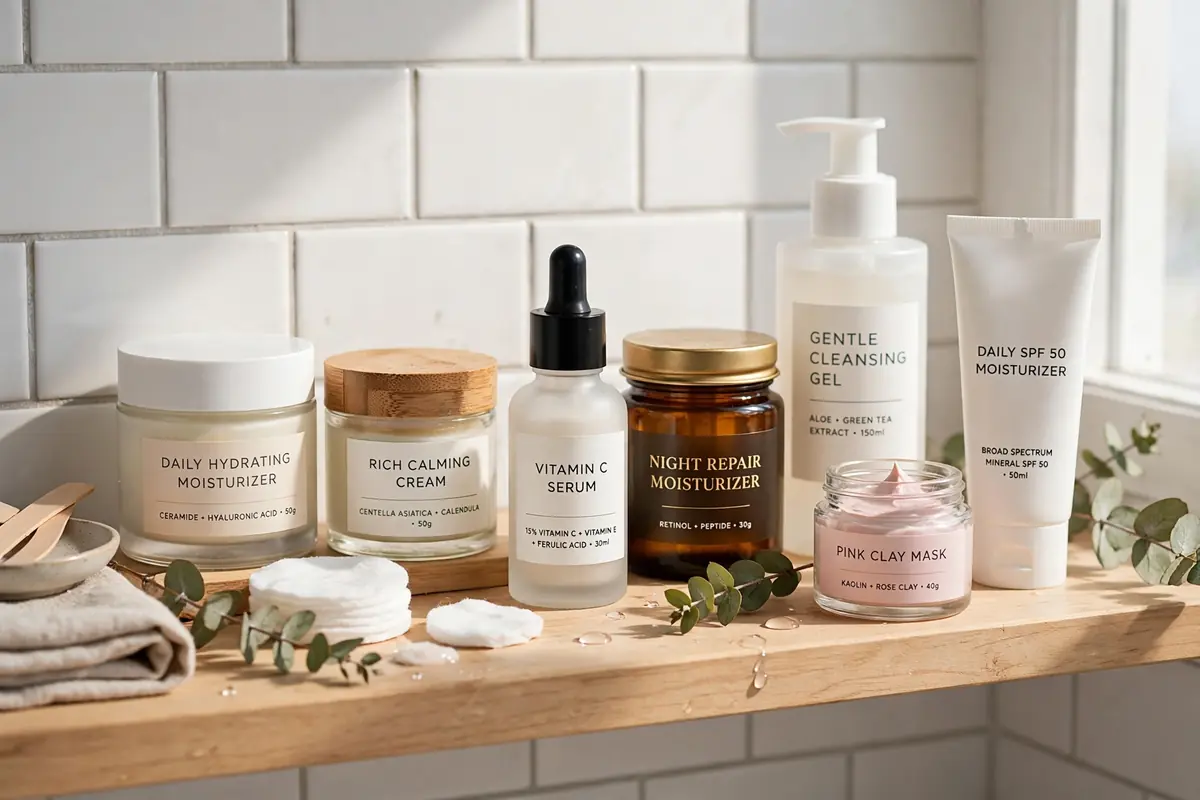
Choosing a moisturizer for your skin type is simple once you know the rules: identify your skin type, pick gel for oily skin, lotion for normal and combination skin, and cream for dry skin, look for humectants plus barrier ingredients like ceramides, use a lighter formula by day and a richer one by night, and apply to damp skin. Match texture to skin, avoid fragrance if sensitive, and adjust with the seasons.