Introduction
Healthy skin naturally renews itself by shedding old, dead skin cells and replacing them with new ones. However, sometimes these dead cells accumulate on the skin's surface, making the face appear dull, rough, uneven, and less radiant. Gentle exfoliation is an effective skincare practice that helps remove this buildup and reveal smoother, fresher-looking skin. When performed correctly, it can improve skin texture, support a brighter complexion, and help skincare products spread more evenly. The key is to exfoliate gently without damaging the skin's natural protective barrier.
Step 1: Understand What Gentle Exfoliation Is
Gentle exfoliation is the process of removing dead skin cells from the outermost layer of the skin without causing unnecessary irritation or damage. Our skin naturally sheds old cells, but this process can become slower due to ageing, environmental exposure, and changes in the skin's natural renewal cycle. Gentle exfoliation helps clear away the surface buildup, allowing the skin to feel softer and look more refreshed. Unlike harsh scrubbing, a gentle approach focuses on improving skin texture while protecting the skin barrier. It is important to remember that exfoliation should make the skin feel comfortable, not painful, tight, or excessively dry.
Step 2: Why Do Dead Skin Cells Accumulate?
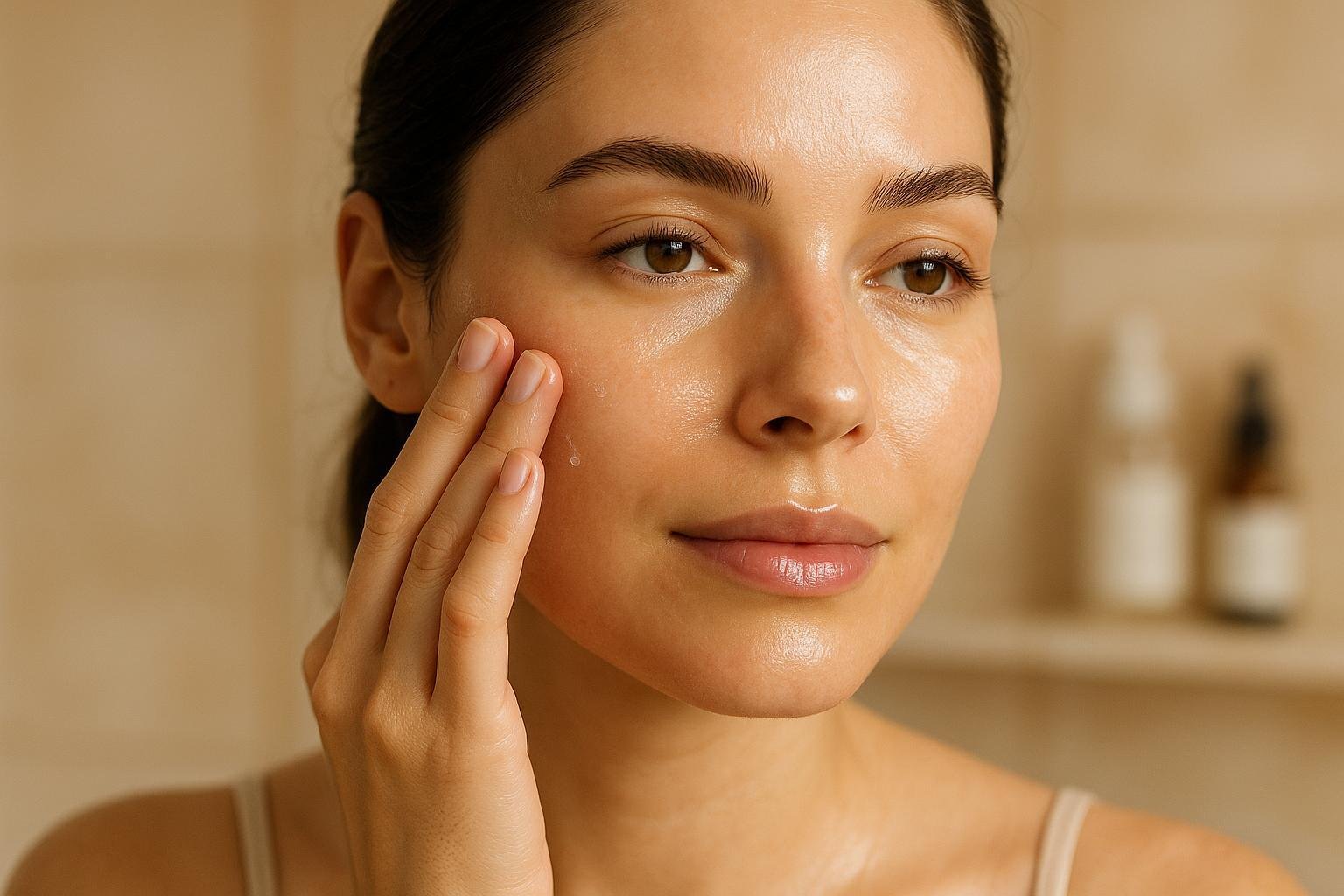
Dead skin cells accumulate because the skin does not always shed old cells as efficiently as it should. Natural ageing can slow down cell turnover, while excessive sun exposure, pollution, dry weather, and dehydration may contribute to a rough or dull appearance. Using unsuitable skincare products and not cleansing the face properly can also leave the skin feeling congested. When dead cells remain on the surface, they may make the complexion appear uneven and prevent the skin from looking naturally radiant. A consistent skincare routine, suitable cleansing, hydration, and occasional gentle exfoliation can help maintain a smoother-looking complexion.
Step 3: How Does Exfoliation Improve Dull and Rough Skin?
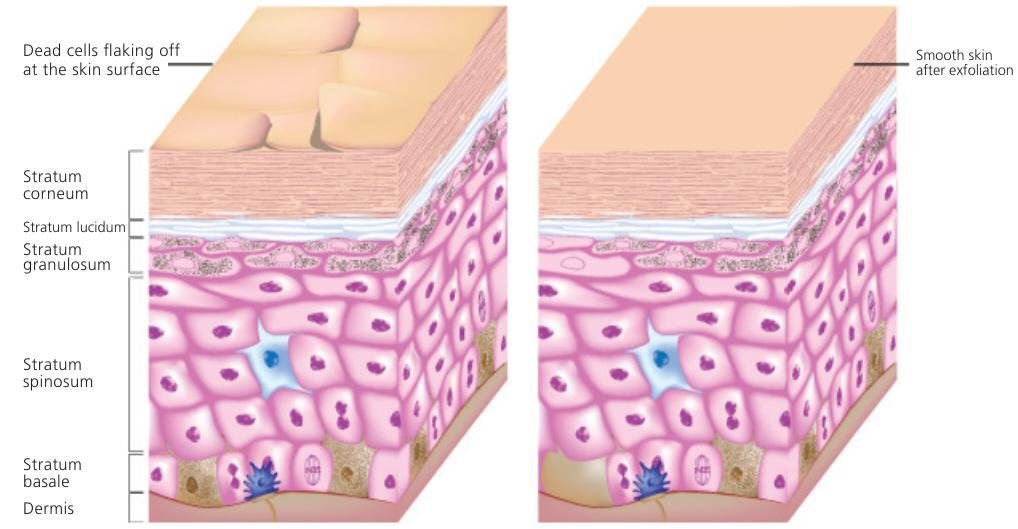
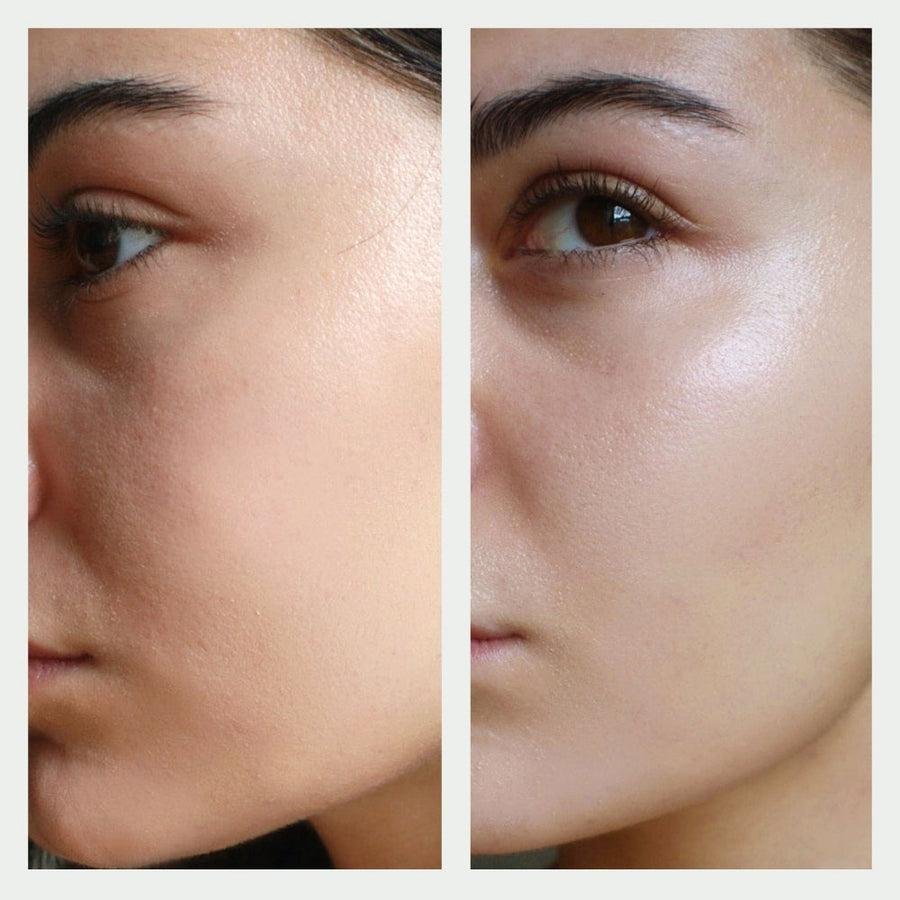
Exfoliation helps improve dull skin by loosening and removing some of the dead cells that collect on the skin's surface. Once this buildup is reduced, the complexion can look fresher, and rough areas may feel smoother. Regular but moderate exfoliation can also improve the appearance of uneven skin texture and help reduce the look of superficial flakiness. Some exfoliating ingredients, particularly alpha-hydroxy acids (AHAs), can improve the appearance of uneven skin tone over time. However, exfoliation does not permanently shrink pores or remove deep acne scars. Its main purpose is to support a smoother, brighter-looking surface while keeping the skin healthy.
Step 4: Explore Different Types of Exfoliation and Suitable Ingredients
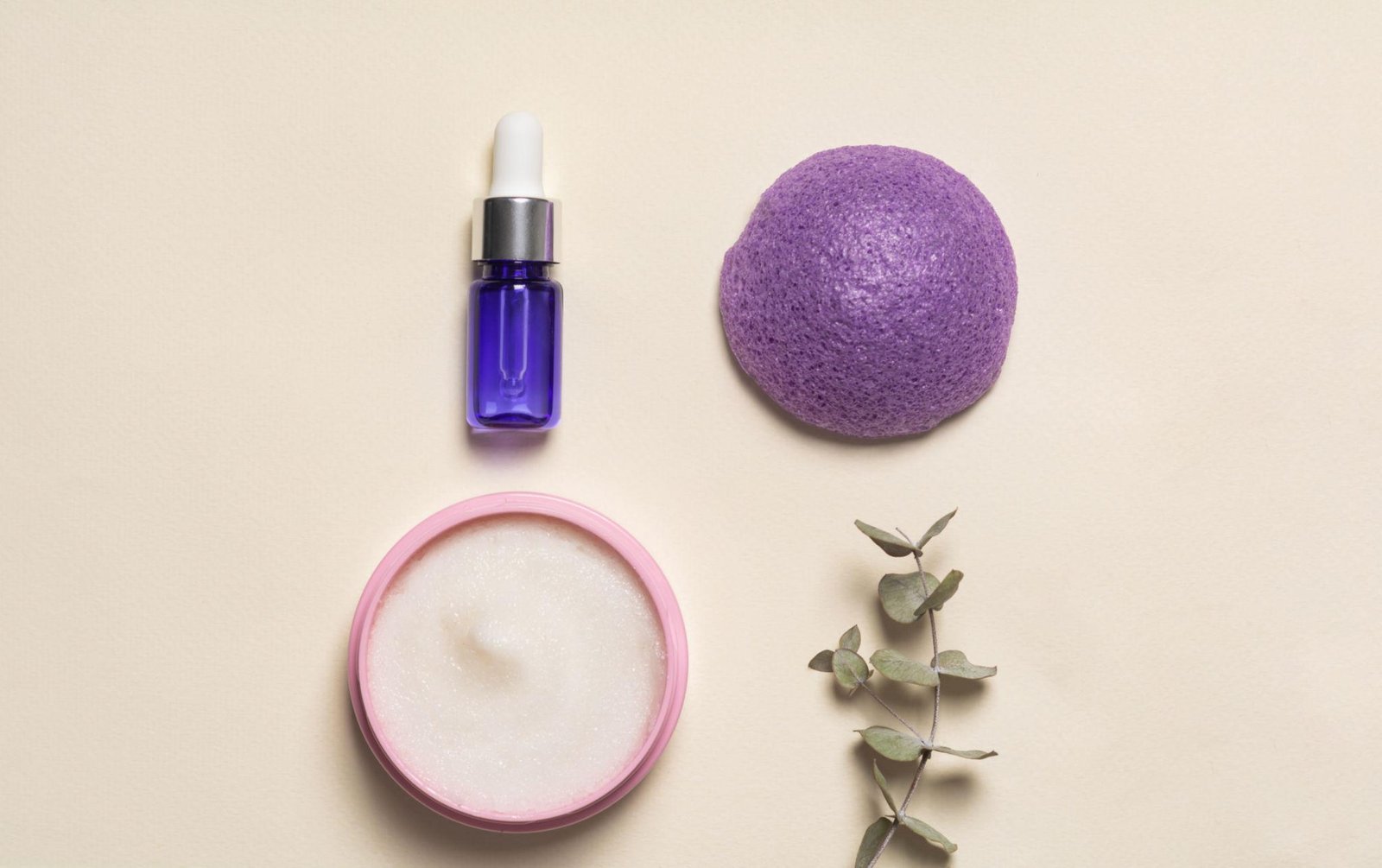
There are two main types of exfoliation: physical and chemical. Physical exfoliation uses gentle cleansing particles, soft washcloths, or suitable exfoliating tools to remove dead cells through light movement. Chemical exfoliation uses skincare ingredients that loosen the bonds between dead skin cells. AHAs, such as lactic acid and glycolic acid, are commonly used to improve surface texture and dullness. Beta-hydroxy acid (BHA), particularly salicylic acid, can help clear excess oil inside pores and may be useful for oily or acne-prone skin. Sensitive skin may respond better to mild lactic acid or gentle PHA products. Enzyme-based exfoliants are another option, although they can still irritate some skin types. Choose one suitable product rather than combining several strong exfoliants.
Step 5: Follow the Correct Step-by-Step Application Method
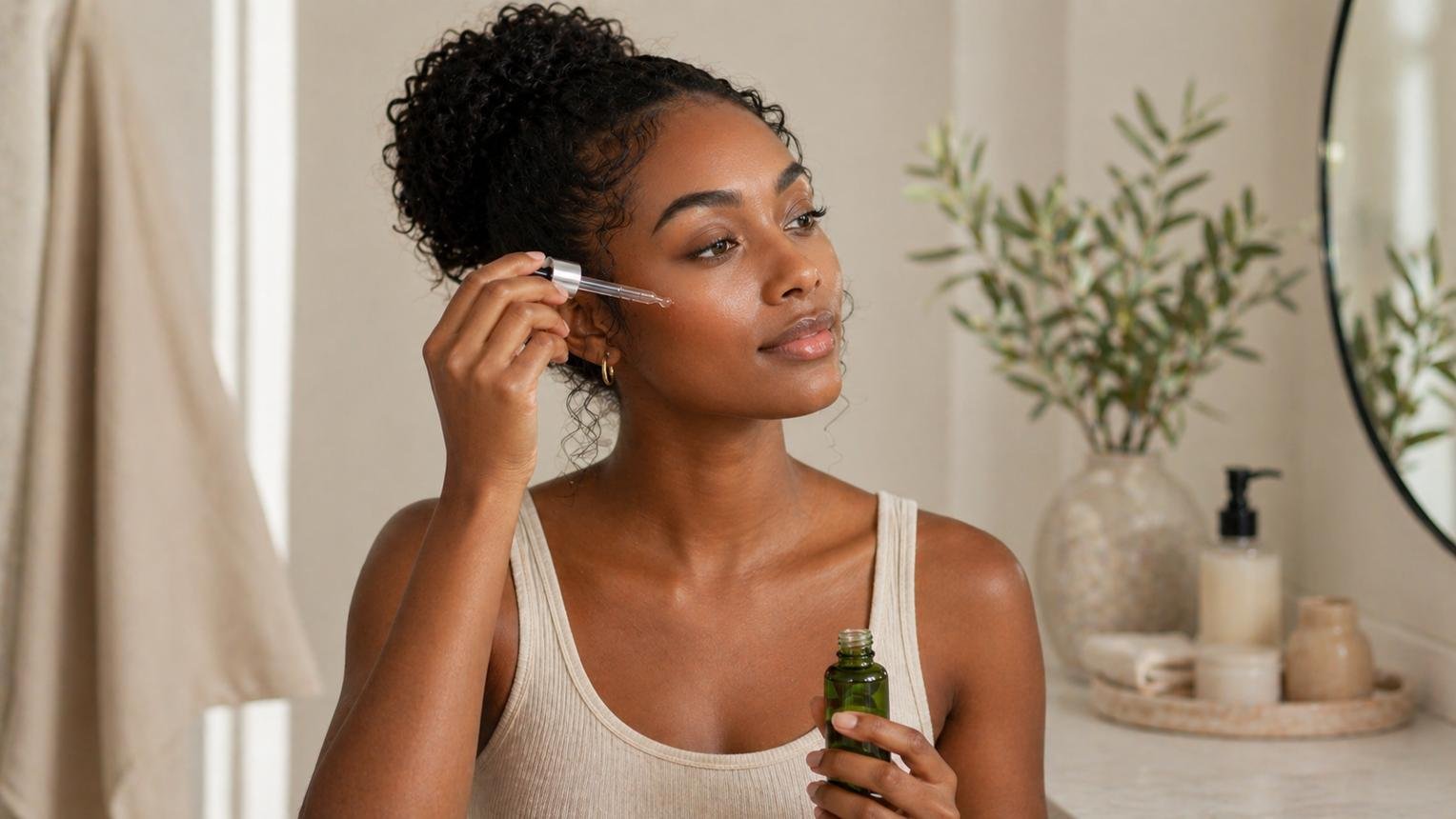
For the best results, begin by washing your face with a mild cleanser to remove makeup, dirt, and excess oil. Follow the instructions on your exfoliating product, as application methods differ between rinse-off and leave-on formulas. Apply a small amount evenly, avoiding the delicate eye area, lips, and any irritated or broken skin. If using a physical exfoliant, massage very lightly without pressing or scrubbing aggressively. Rinse thoroughly if the product requires rinsing. Finish with a gentle, fragrance-free moisturizer to support hydration and the skin barrier. Introduce a new exfoliating product slowly, and avoid using it on the same evening as other strong active ingredients until you know how your skin responds.
Step 6: Choose the Right Exfoliation Frequency for Your Skin Type
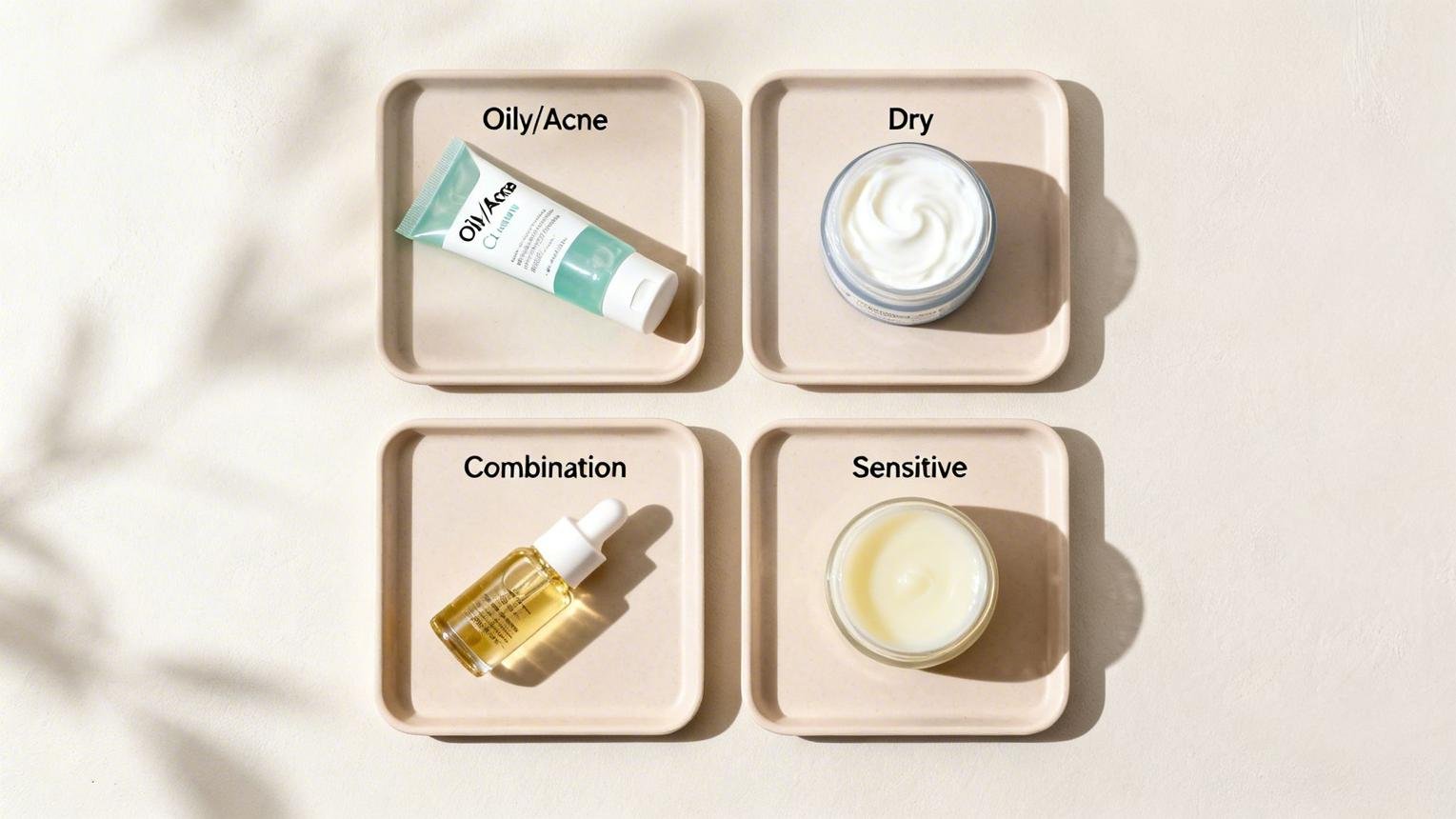
Exfoliation frequency should depend on your skin type, the strength of the product, and your skin's tolerance. Dry or sensitive skin should start with exfoliation once a week, using a mild formula and monitoring for irritation. Normal or combination skin may tolerate one or two sessions weekly if the skin remains comfortable. Oily or acne-prone skin may benefit from a suitable salicylic acid product, introduced gradually according to its instructions. These are starting points rather than strict rules; some people need less frequent exfoliation. If your skin becomes red, stings, peels excessively, or feels unusually tight, stop exfoliating and focus on gentle cleansing and moisturizing until it recovers.
Step 7: Precautions, Common Mistakes, and Daily Skincare Protection
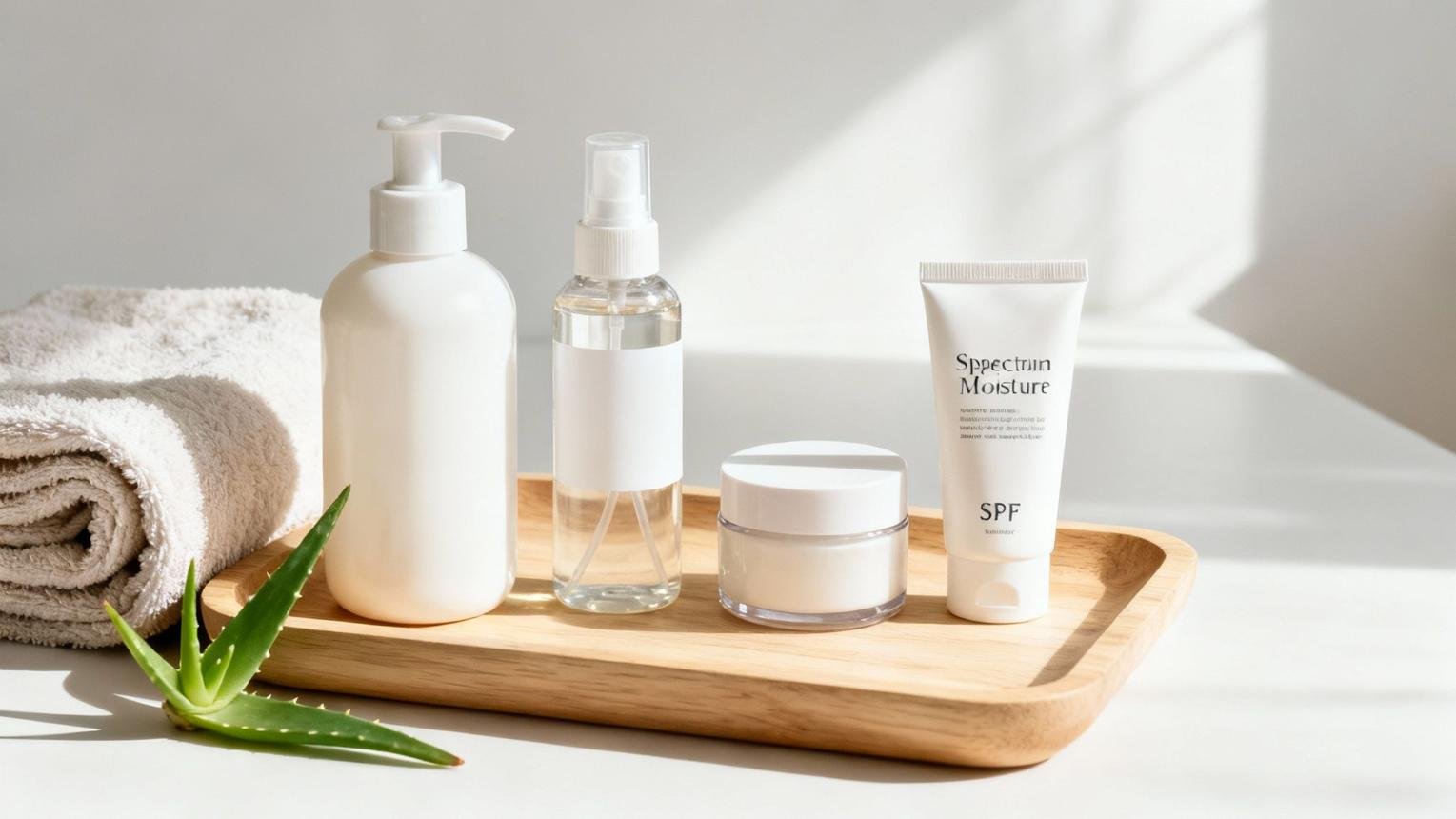
One of the most common exfoliation mistakes is using strong products too frequently or scrubbing the face too aggressively. Combining multiple exfoliating acids, rough scrubs, retinoids, or other irritating treatments without a suitable routine can weaken the skin barrier and cause redness, dryness, and sensitivity. Avoid exfoliating sunburned, wounded, inflamed, or irritated skin. Always apply a broad-spectrum SPF 30 or higher sunscreen during the day, especially when using AHAs, because they can increase sensitivity to sunlight. Moisturizing regularly is equally important for maintaining a healthy skin barrier. Remember that more exfoliation does not mean better results. A gentle, consistent routine is much more helpful for achieving smooth, fresh, and naturally glowing skin.
Conclusion
Gentle exfoliation is a useful part of a balanced skincare routine when it is performed correctly and according to individual skin needs. By helping remove accumulated dead skin cells, it can improve the appearance of dullness, roughness, and uneven texture. Choosing suitable ingredients, following the correct application method, avoiding excessive exfoliation, and protecting the skin from sunlight are essential for maintaining healthy-looking skin. Give your skin time to adjust, stay consistent, and focus on supporting its natural protective barrier rather than trying to achieve instant results.