Clean Beauty: Is It Worth the Hype?
Walk into any beauty store today and the word "clean" is everywhere — on serums, shampoos, lipsticks, and entire brands built around it. Clean beauty promises products free from "toxic" ingredients, safer for your skin and the planet. It sounds like an obvious good. But here is the uncomfortable truth: "clean" has no legal definition, no regulator checks the claim, and some of the most feared ingredients are not actually dangerous.
So is clean beauty worth the hype? The honest answer is: partly. Here is what the label really means, what the science actually says, and how to shop wisely without paying for marketing.
What "Clean" Actually Means (and Doesn't)
Unlike "organic," which has legal certification standards for food and some cosmetics, "clean" is a marketing term. Every brand defines it differently. One brand's clean list bans 50 ingredients; another bans 2,000. The lists usually include parabens, sulfates, phthalates, and synthetic fragrances — ingredients that sound scary but have very different safety profiles.
This matters because the absence of a scary-sounding ingredient does not make a product safer or better. A product can be "clean" and still irritate your skin, and a conventional product can be perfectly safe and effective. The label tells you what is NOT in the bottle. It tells you nothing about what IS in it, or whether those ingredients actually work.
The clean movement did accomplish something real, though: it pushed brands toward transparency. Ingredient lists are clearer now, and consumers ask better questions. That part of the hype is genuinely valuable, even if the label itself is fuzzy.
The Science on the "Dirty" Ingredients
Let us look at the most commonly banned ingredients honestly. Parabens, used as preservatives, have been studied for decades. The concern began with a 2004 study finding parabens in breast tumor tissue — but the study did not show parabens caused the tumors, and major regulators including the FDA and the EU's Scientific Committee on Consumer Safety consider parabens safe at the levels used in cosmetics. Without preservatives, products grow bacteria and mold, which is a far more immediate danger than a theoretical one.
Sulfates, like sodium lauryl sulfate in shampoos, are effective cleansers that can strip natural oils — a real concern for dry or curly hair, but not a health hazard. They are irritating in high concentrations and drying for some hair types, which is a fair reason to avoid them, but "toxic" is the wrong word.
Synthetic fragrance is the most legitimate concern on most clean lists, because "fragrance" on a label can hide dozens of undisclosed chemicals, and it is a common trigger for allergies and sensitive skin. If you have reactive skin, fragrance-free — a specific, meaningful claim — matters far more than "clean."
What Clean Beauty Gets Right
Clean beauty is not all marketing. Some of its principles are genuinely good. Many clean brands prioritize plant-based ingredients, sustainable packaging, and cruelty-free testing — values worth supporting if they matter to you. The movement has also pushed the whole industry toward simpler formulas with fewer unnecessary additives, which benefits everyone, especially sensitive skin.
Clean products also tend to skip heavy synthetic fragrances and dyes, two of the most common irritants. For people with eczema, rosacea, or fragrance sensitivity, that alone can make clean products a better choice — not because they are "non-toxic," but because they remove specific triggers.
And there is a psychological benefit worth acknowledging: if using products you feel good about makes you more consistent with your routine, that consistency itself improves your skin. Skincare works best when you actually do it.
How to Shop Smart (Clean or Not)
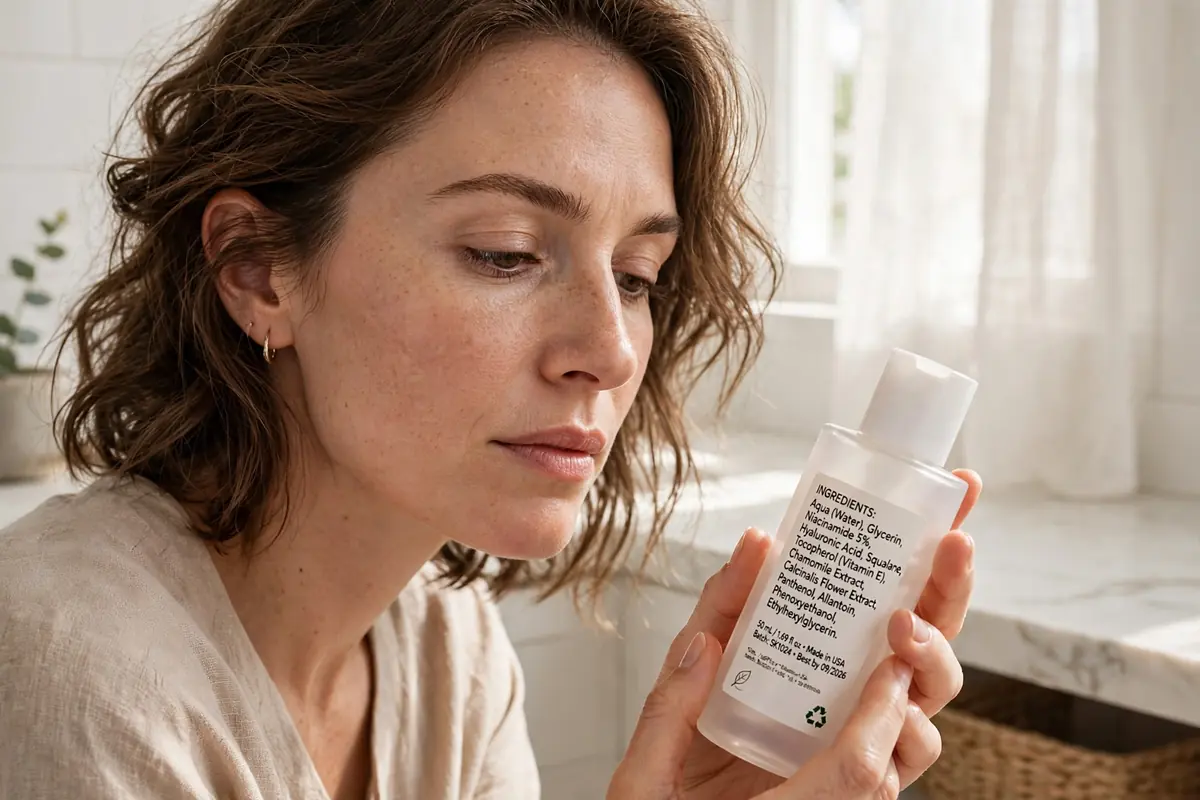
Instead of trusting a label, use these rules. First, read the ingredient list, not the front of the bottle. The first five ingredients make up most of the product — if they are water, glycerin, and proven actives, you are in good shape regardless of the brand's philosophy.
Second, prioritize claims that mean something specific: "fragrance-free" (no added scent chemicals), "non-comedogenic" (formulated not to clog pores), "dermatologist tested" (actually evaluated, though not a guarantee), and certifications like USDA Organic or Leaping Bunny for cruelty-free.
Third, be skeptical of fear-based marketing. A brand that scares you about competitors' ingredients to sell its own is using the same tactic as any other advertiser — just with a halo. Good skincare brands explain what their ingredients DO, not just what they avoid.
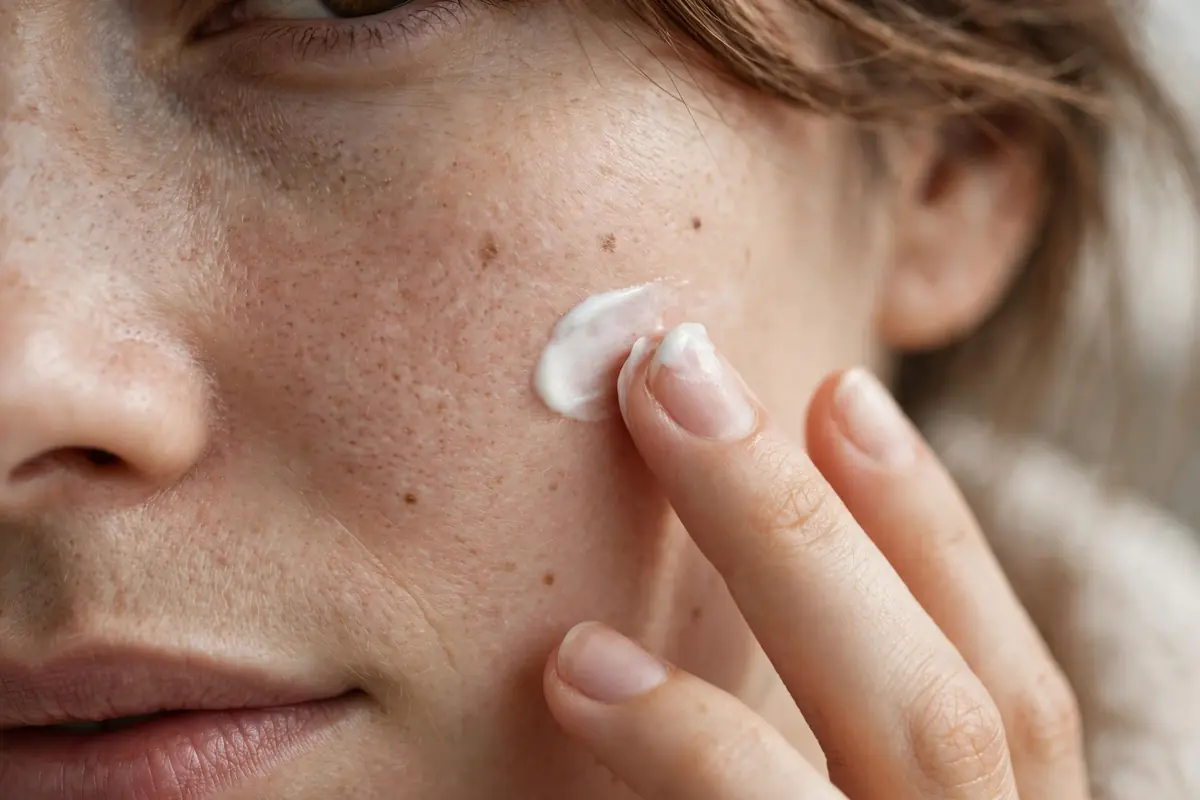
Finally, patch-test everything new, clean or conventional, on your jawline for a few days. Your skin's reaction is the only safety test that truly matters for you.
The Verdict: Worth It, With Caveats
So, is clean beauty worth the hype? If "clean" means transparency, fewer irritants, and values you support — yes, it is worth considering. If it means paying double for a product that is "free from" ingredients that were never a danger to you, while ignoring whether the formula actually works — no, that is marketing, not skincare.
The smartest approach is ingredient literacy, not label loyalty. Learn which ingredients help your skin, which ones irritate it, and which claims actually mean something. Buy the product whose formula fits your skin and your values — whether the bottle says "clean" or not. Your skin does not read labels. It responds to what is inside.